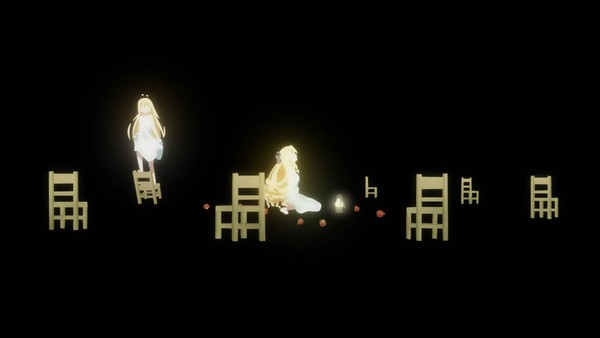
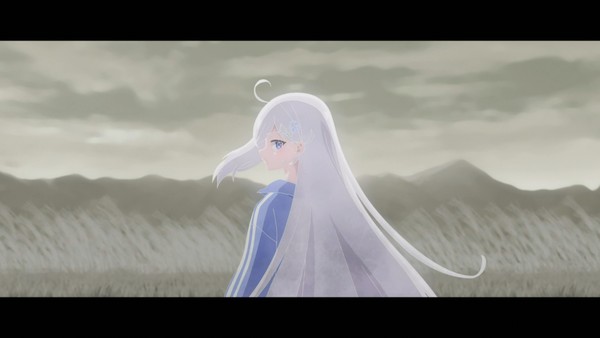
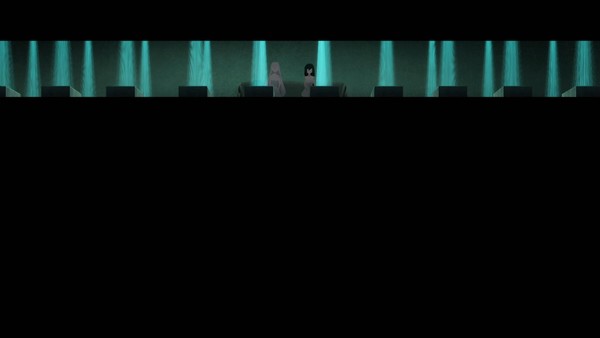
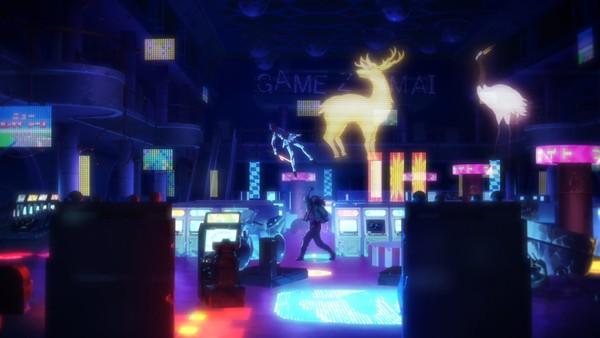
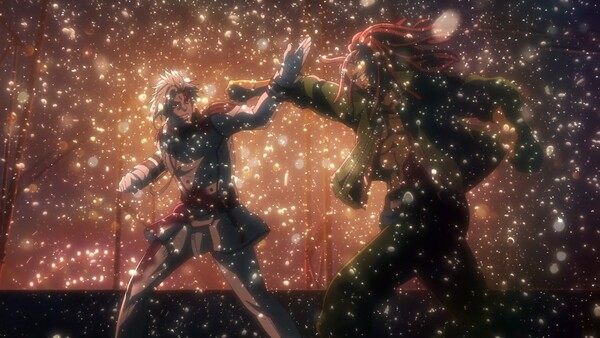
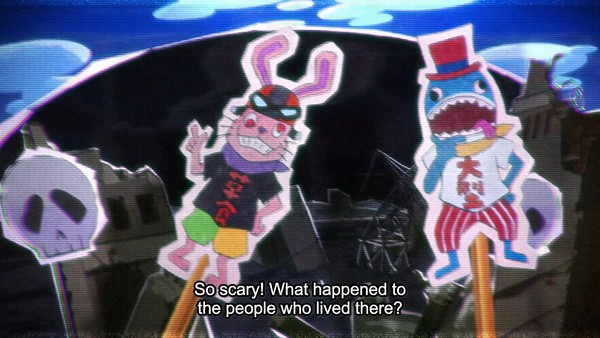
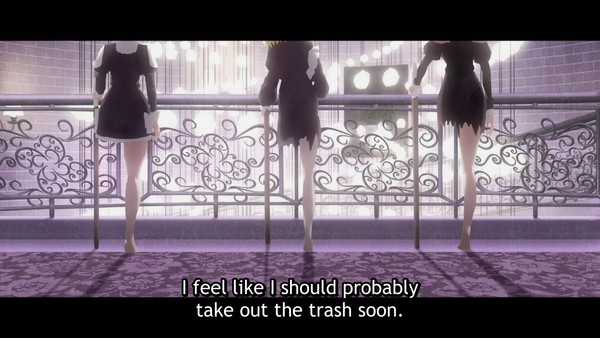
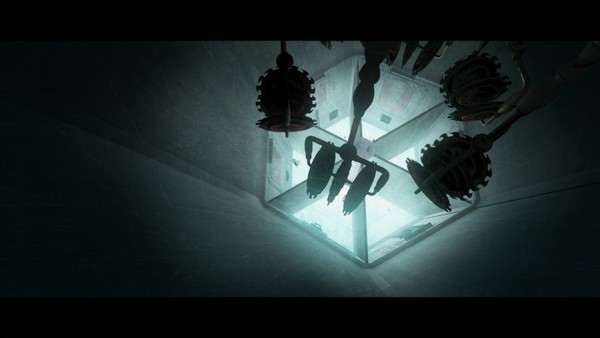
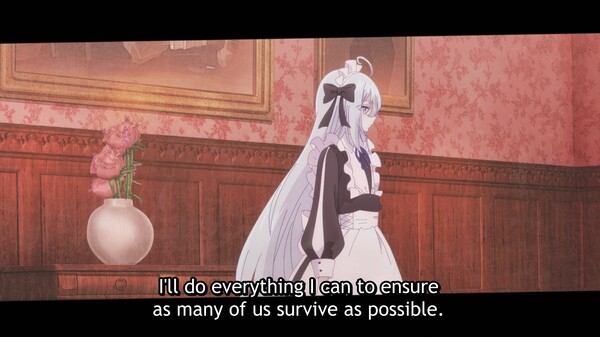
Is anime art? Where does the line between "art" and "pretentiousness" get drawn? Or is all art quite useless? Sylvia and Chris explore these erudite issues.
Disclaimer:The views and opinions expressed by the participants in this chatlog are not the views of Anime News Network. Spoiler Warning for discussion of the series ahead.
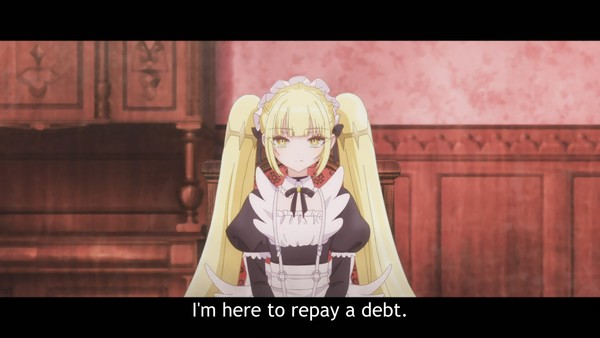
Shiboyugi: Playing Death Games to Put Food on the Table, Days With My Stepsister, Gankutsuo, Ave Mujica, BangDream It's My GO, Akudama Drive, Sonny Boy, Madoka Magica, and Bakemonogatari are streaming on Crunchyroll. Revolutionary Girl Utena is streaming on YouTube. Revue Starlight is available on HiDive. Space Adventure Cobra the Movie is available on Pluto TV.
Yurikuma Arashi and Flowers of Evil are too artsy for streaming.
Chris
All right Sylvia, don't panic. The bad news is that we have (once again) woken up as participants in an elaborate death game. The good news is I don't think we have to saw anybody's leg off, we just need to talk about the delicious presentational pretentions of arthouse anime direction.
Sylvia
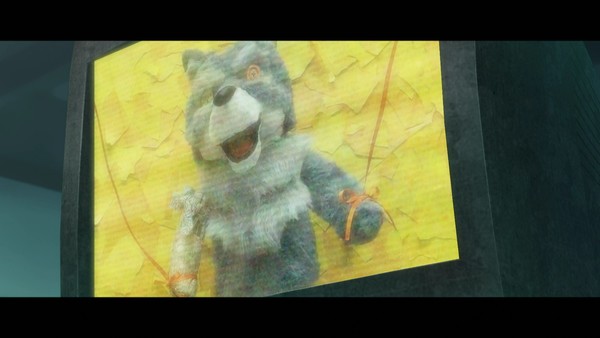
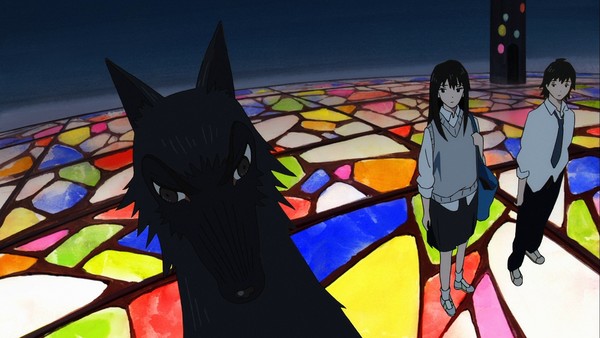
Oh, that is quite the relief. The creepy VHS wolf puppet was just telling me something completely different and far more convoluted, but I think he's trapped in the TV anyway. Probably nothing to worry about.
I don't necessarily try to play the part of the critic compelled to appreciate anything artsy, but Shiboyugi has, right from its hour-long jump, made it way too easy for me to just be thrilled every time it and series director Sota Ueno makes any kind of purposeful and or unconventional decision.
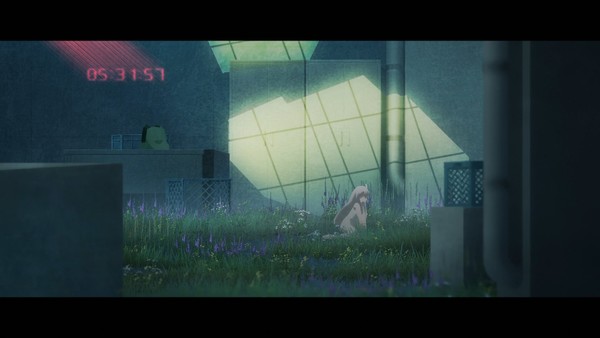
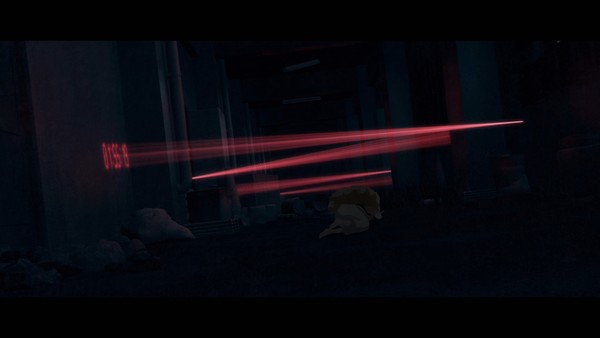
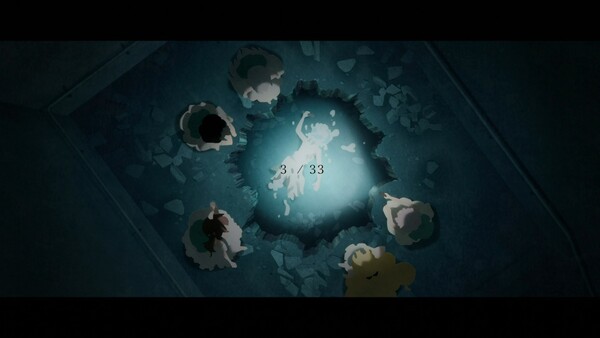
I was clapping like a seal at the presentation of the timer in the arc that just wrapped up!
It's a unilaterally excellent series and adaptation, if you ask me. It is kind of unfortunate it has to compete with the transcendent Journal with Witch in my seasonal rankings, but Shiboyugi should harbor no shame in being the second-best. This is, to be crass, extremely my shit. Twisted, slow, quiet, and consistently creating new ways to present itself to the audience.
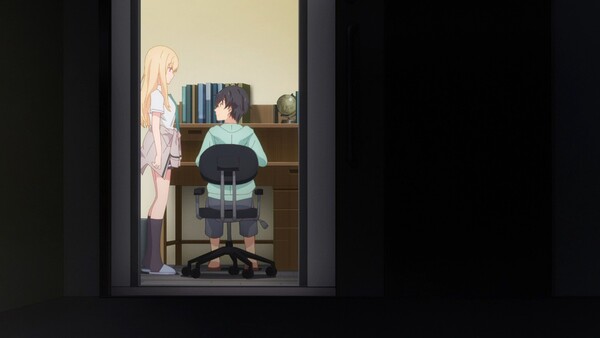
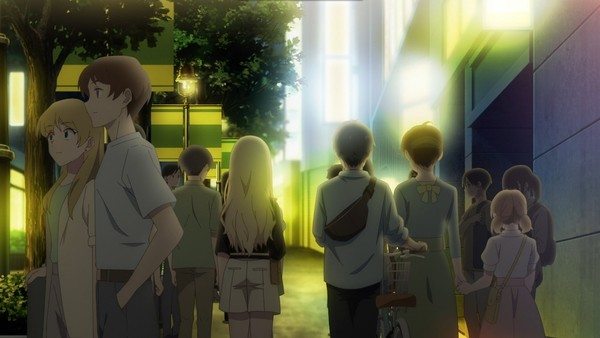
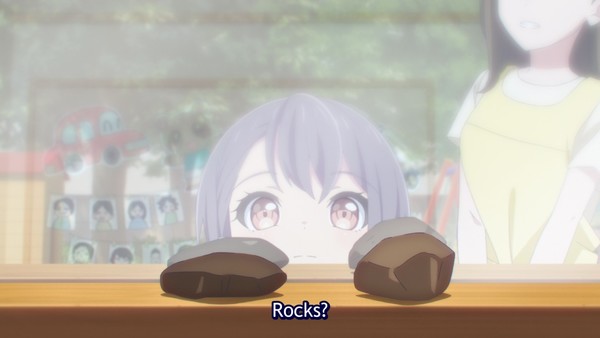
Of course, I was hyped for this before the season began, having been introduced to Souta Ueno through his idiosyncratic slow-cinema adaptation of Days With My Stepsister. I think this flew under most radars, but if prestige incest anime is what you seek, you cannot do much finer than this.
Similar to elevating the schlocky standby of the death game genre in Shiboyugi, Days With My Stepsister takes a well-worn anime path some might dismiss, and refreshes it through Ueno's sense of purpose and sheer commitment.
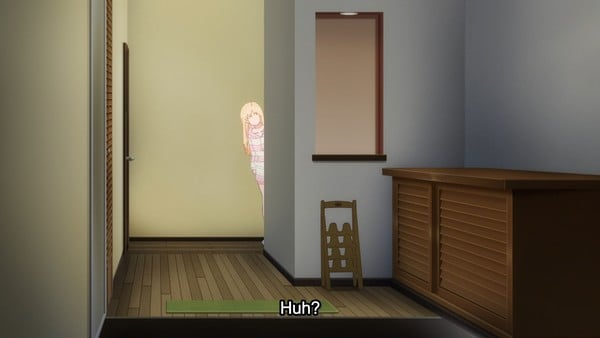
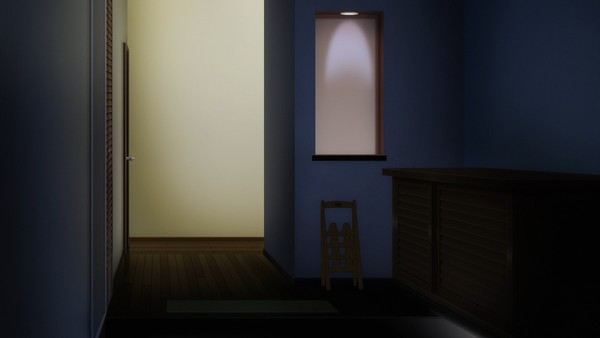
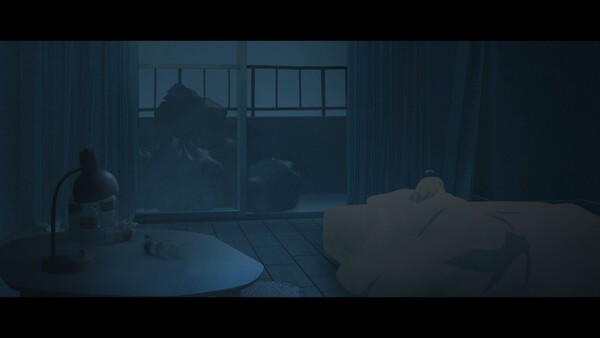
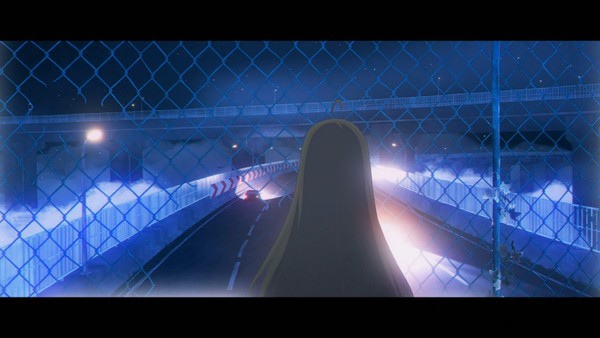
I still think about this scene from early in that anime, just lingering on that shot of the hall area and Saki flicking light switches as she figures out how this new, unfamiliar home works. And I can absolutely see how that allowed for something like Shiboyugi defiantly lingering on Yuki lying in bed for over a minute straight.
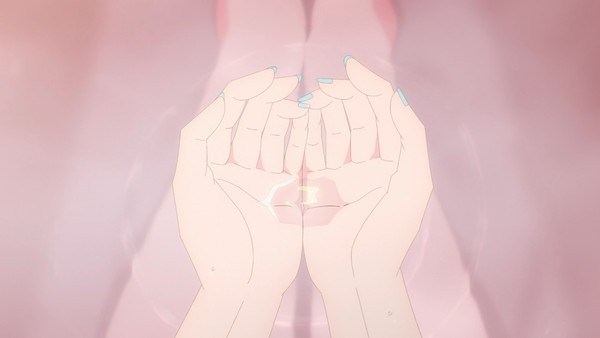
Ueno definitely is not a director who fears stillness, and furthermore, he makes that quality work for the material it's being applied to. With Stepsister, he used quietude to organically develop the unique bond and level of (dis)comfort found in its central relationship. In Shiboyugi, he uses it to extremely disquieting ends. Our journey into Yuki's interiority in this week's episode is suffused with minimalist abstractions that nevertheless reveal volumes.
And I love anime like Shiboyugi because they let me write pretentious sentences like those.
As I've insinuated already, I know there's a fear in some audiences and critics to respond to a series that comes off pretentious. But with so many samey seasonal series (to the point that we regularly run them down in by-the-numbers isekai and rom-com thunderdomes every few months) I think it's valuable to acknowledge that pretention can actually be worthwhile!
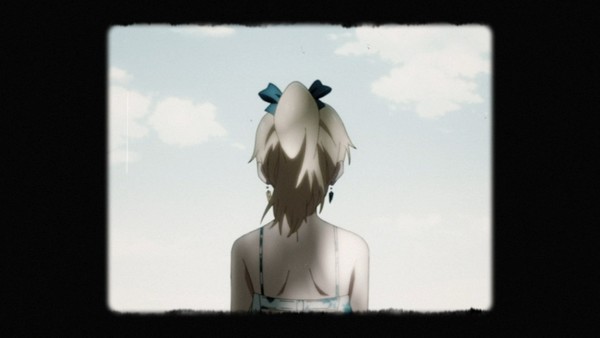
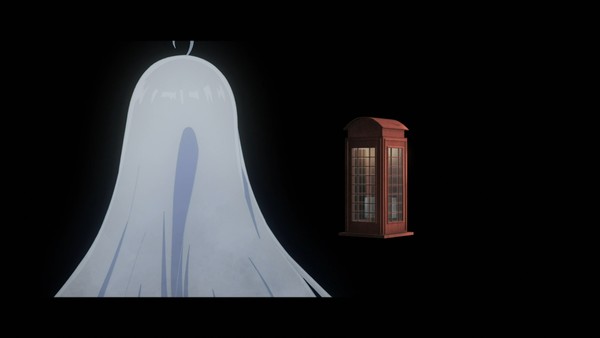
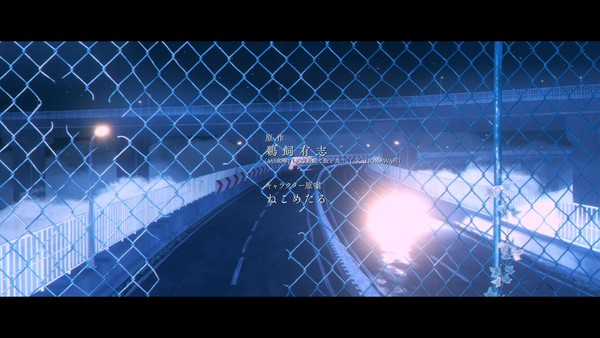
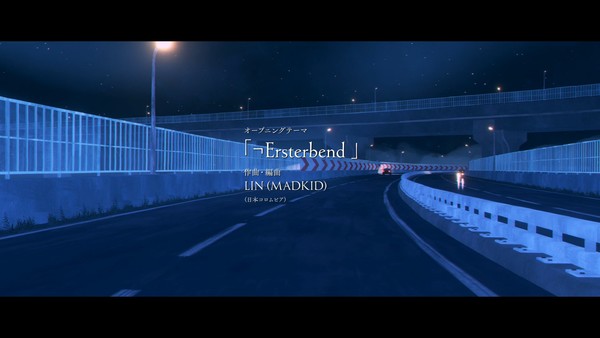
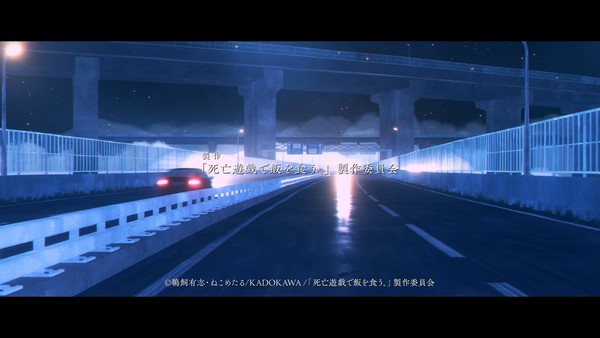
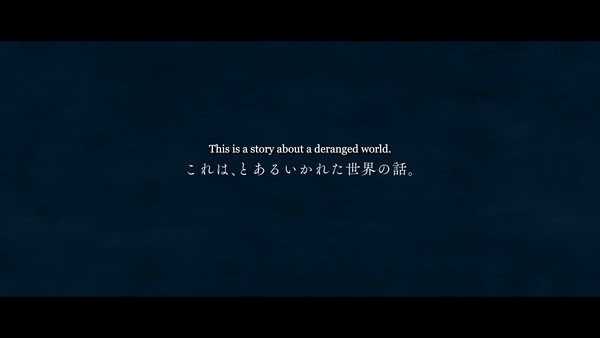
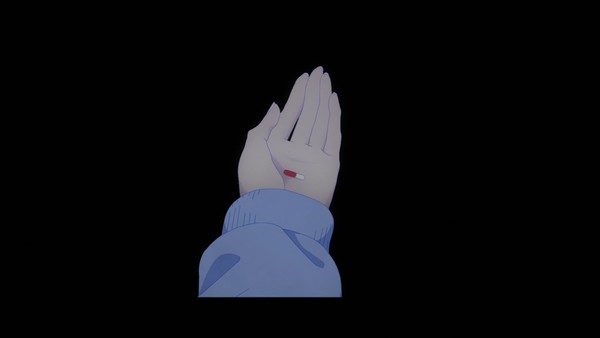
Shiboyugi actually demonstrates that right at the beginning: Its deliberate, vibes-y POV intro in the first episode declaring that it's probably gonna feel a bit different from other death game stories. And then, by re-deploying this and confirming it is in fact that actual OP in subsequent episodes, reinforces that commitment to this kind of presentation.
So yeah, it's pretentious! And it absolutely knows how and why it's being pretentious!
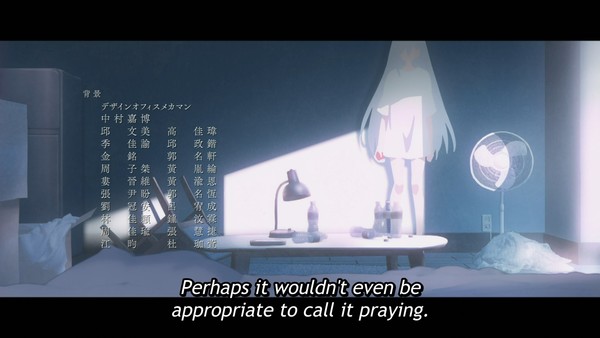
That facet in particular is so great. I also did not clock it as the OP at first, because it bears no resemblance to your usual one. It doesn't run through the cast. It doesn't include a montage of scenes to come in the season. But in stripping the concept of an "OP" to its bare essentials, Shiboyugi reminds us what it's there for—to establish mood. And here, the starkness is the point.
But yes, the eternally thorny question when it comes to discussing so-called "pretentious" works of art is how we define "pretentious" in the first place. Like, the traditional definition refers to a work with the hubris to reach beyond its means. Something that grasps for deeper meanings while only displaying a shallow understanding of its subject. The problem is that, too, can be difficult to definitively identify, so any work that attempts to be "high art" ends up wearing the pretentious label to some degree. And then contrarians like myself embrace that label because it gets used on so many of my favorite pieces of art.
And moreover, I like pretenses! I like when a work is in open conversation with itself and its antecedents.
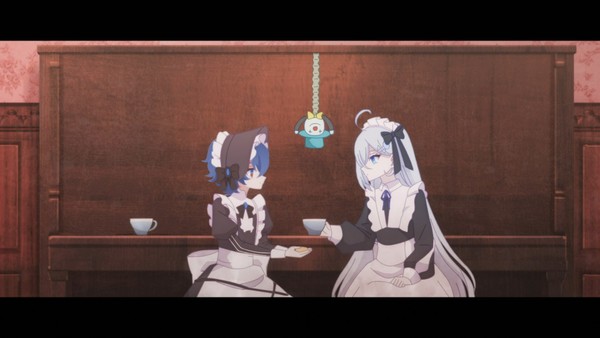
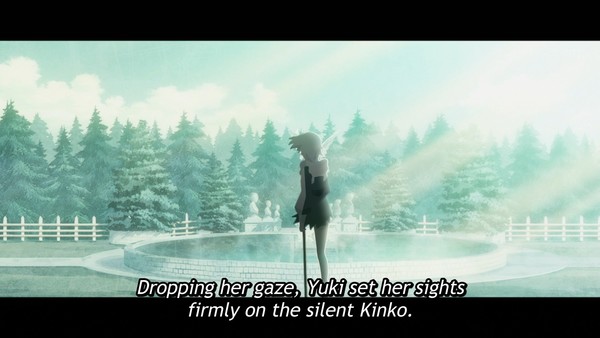
In Shiboyugi's case, that conversation with itself can be surprisingly literal.
Nothing is created in a vacuum, so an awareness of what you're making and how it's going to be compared can only be valuable, I'd say, in a field as crowded as modern seasonal anime.
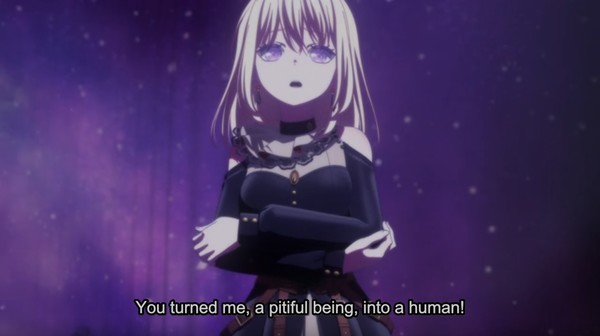
I remember running into this dissonance last year when I was reviewing BanG Dream Ave Mujica, which did plenty, but particularly in its eleventh episode this music mobile-game tie-in had the audacity to relay a shocking character backstory through the medium of an imagined one-woman show where she's literally projecting her insecurities onstage. Outlandish, some would say, but incredibly more effective and memorable than a mere flashback or montage, not to mention par for the course for the pretense of Ave Mujica (both the show and the in-series performing group) by that point.
It's theater! Both Ave Mujica the show and Ave Mujica the band are all about theater, so it only makes sense to draw on that medium for such a pivotal episode. It also mirrors the third episode of It's MyGO, a flashback that is instead told entirely through Tomori's POV—another deliberate creative choice heralding the series' focus on the psychologies of its characters.
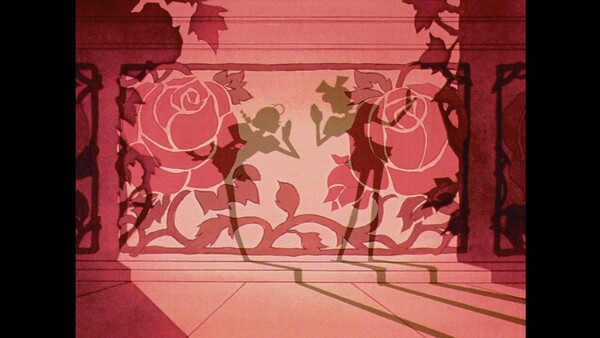
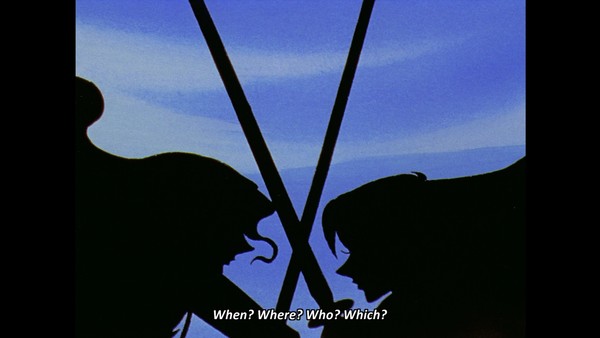
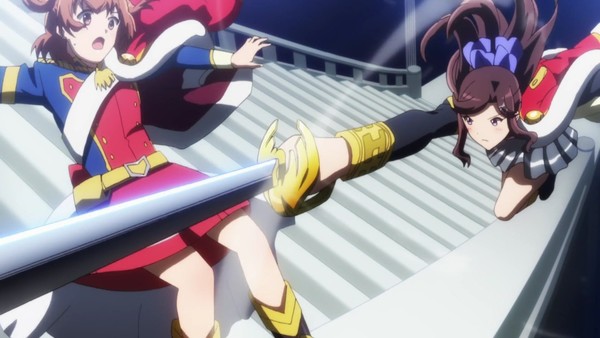
I'm also especially drawn to anime influenced by theater thanks to Revolutionary Girl Utena, which is the primordial reason I am like this. In general, but also in regards to my taste.
Utena would simply not be the same series if Ikuhara hadn't drawn so specifically on the works of Shuji Terayama and the Tenjou Sajiki theater troupe. He went so far as to recruit the troupe's composer, J.A. Seazer, to write the duel choruses, for cryin' out loud.
Now, I certainly didn't know any of that the first time I watched it. I just enjoyed how weird and unique its presentation was. But that enjoyment caused me to research it further. And in that way, I learned a lot thanks to Utena.
Ikuhara's probably the first one the majority of anime fans have come to mind when they think of "arthouse" direction. His use of abstraction and repetition of that abstracted imagery lends itself to the kind of interpretive readings that can make denser art so fun to critically dissect.
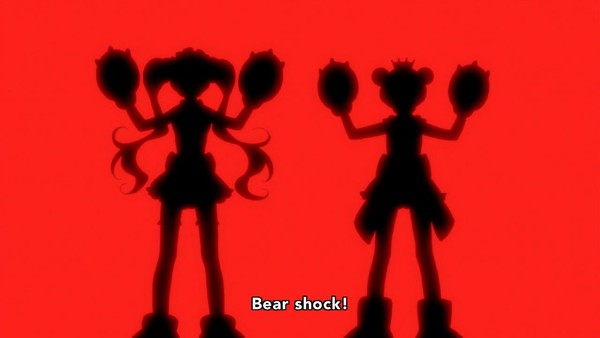
Granted the potential for interpreting that abstraction can come even when the main point of works (like Yuri Kuma Arashi's insistence on the potential for better treatment of women's queerness in fiction) is unilaterally blunt, but that's admittedly one of the arguable pratfalls of pretense.
The layers of influences in these kinds of artful presentations also notably fuel further creators. Revue Starlight's Tomohiro Furukawa was influenced by Ikuhara and the theatricality that propelled the likes of Utena, and so Starlight is similarly rooted in theatricality, itself bearing analysis and criticisms of the Takarazuka Revue.
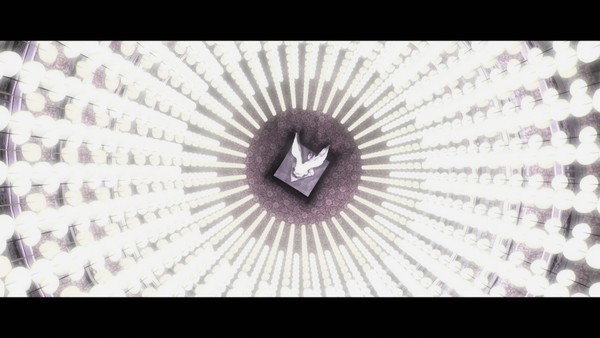
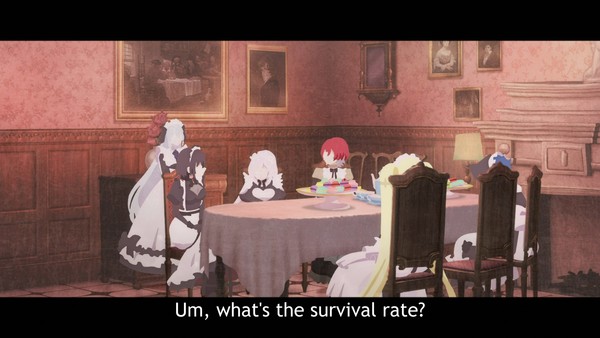
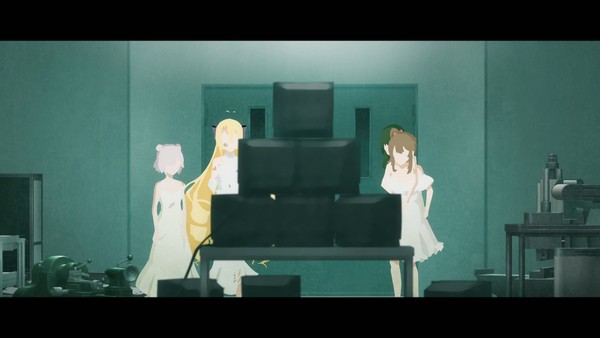
Yeah, I think smart directors tend to look to theater for inspiration because it, like animation, has to work within a lot of constraints. It's about using limited resources for maximum impact. Shiboyugi's consistently great blocking, artificial settings, and small cast of characters in the game all might resemble that of an avant-garde stage production.
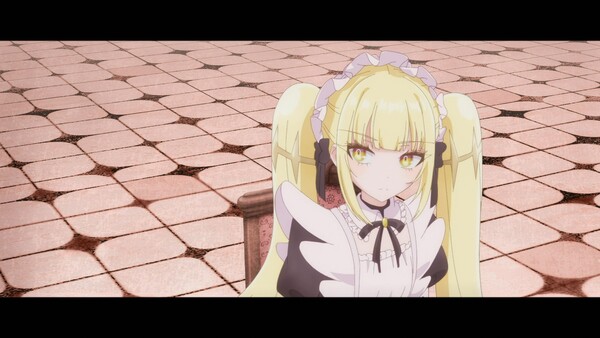
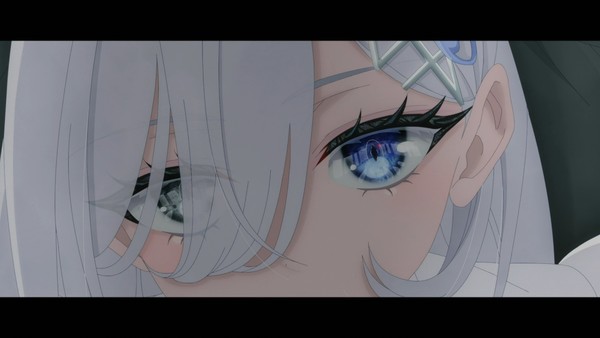
Shiboyugi also hits a common symptom of "pretension" with its idiosyncratic art style. I especially like the juxtaposition between the super ornate eyes and the lack of outlines in distance shots.
Playing off the minimalist sensibilities seen in such theatrical productions, there's a strong understanding of the "less is more" approach. It ties into the thematics of the story too, as the audience (both the real-life ones watching the show and the in-universe people this deranged game is for the amusement of) strain to grasp the intent and emotions of these girls through degrees of dehumanization. The layer of abstraction makes that into a visible (or less visible) component.
Ooh, good comparison! There is, of course, no one singular anime style that all shows must conform to, but I also tend to like many series that significantly deviate from what we "expect" anime to look like. And I'm sure you will be shocked to see that The Flowers of Evil is my first example.
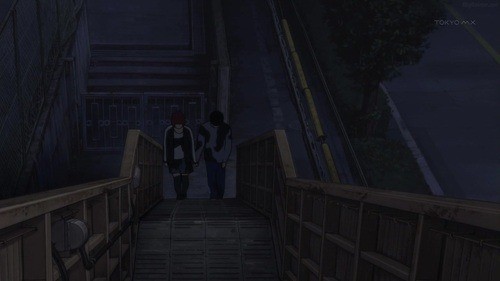
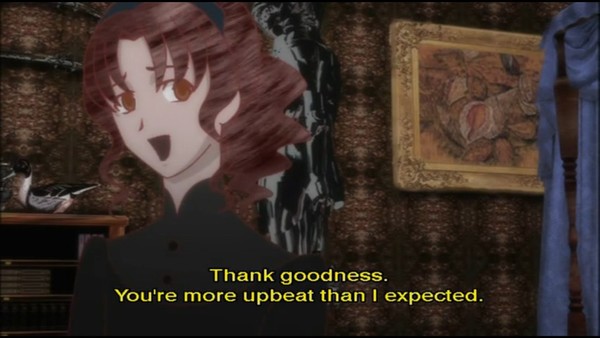
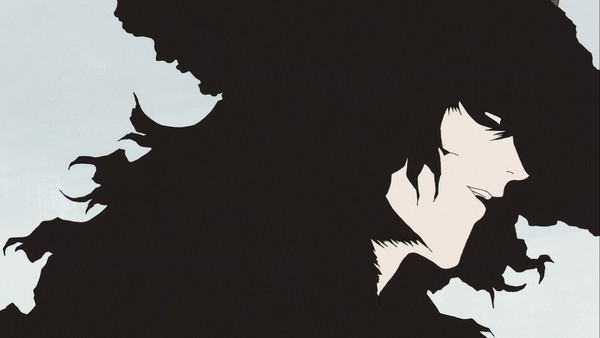
Look, I've been meaning since we started to bring up that show opening an episode with a minutes-long stretch of held shots of two characters walking home together as a comparison to Shiboyugi's similar commitments, we're wearing the same hat here.
Same hat! That scene in particular, with deliberate lack of action and evocative music accompaniment, feels like a key precedent to Ueno's style. Hiroshi Nagahama took many big swings with his take on Flowers of Evil, and I'm so glad we have directors following in his footsteps.
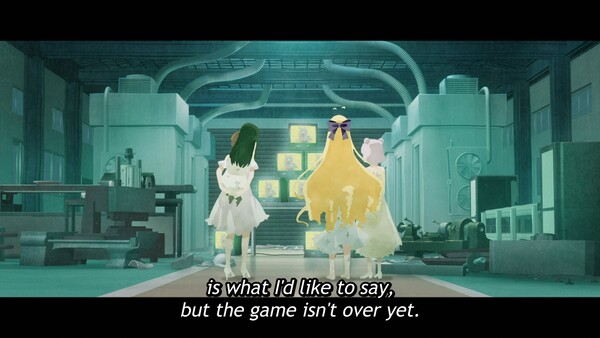
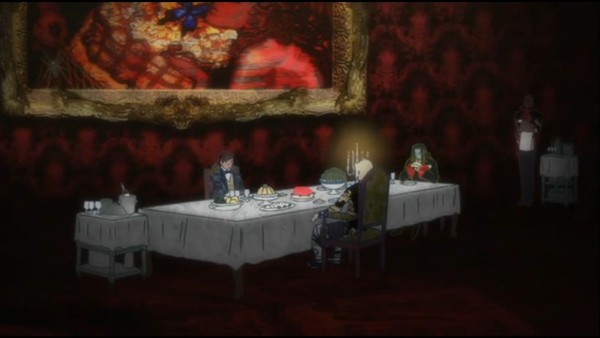
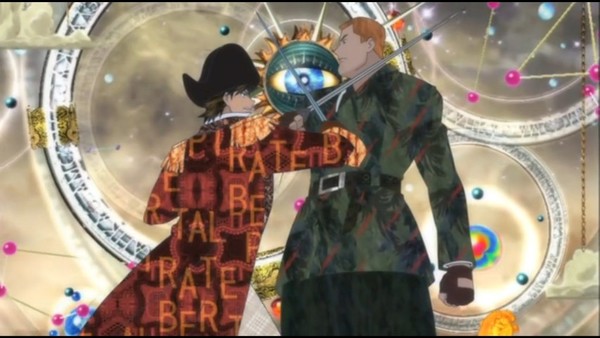
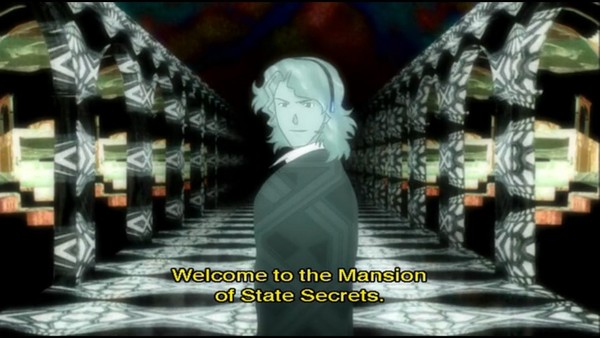
Shiboyugi's deliberate disconnect between the character art and the 3D-rendered backgrounds also reminds me a bit of the iconic clash of styles found throughout the gothic Gankutsuou.
Now that's an anime that puts the art in art house.
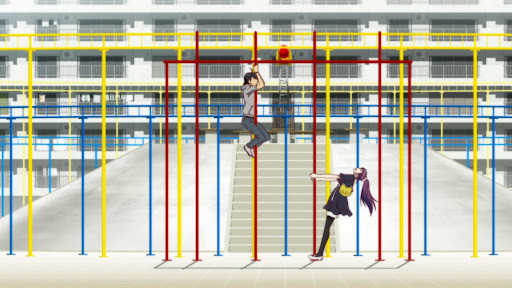
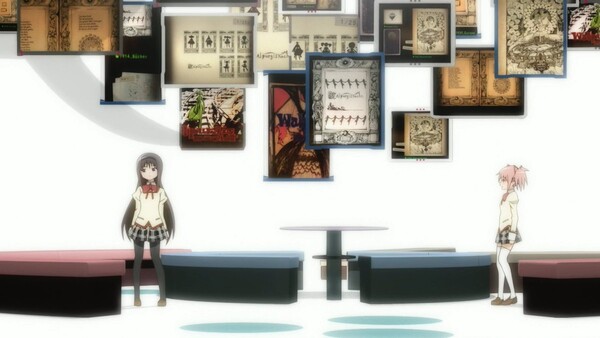
It's a great use of 3D for purposefully uncanny effect. My go-to example of this type of approach will always be the late-2000s/2010s shows of studio SHAFT, like the Monogatari series and Madoka Magica. Homura's house is the art-house.
Shiboyugi has a lot to me that makes it stand out as a real successor to and evolution of this sort of defining style.
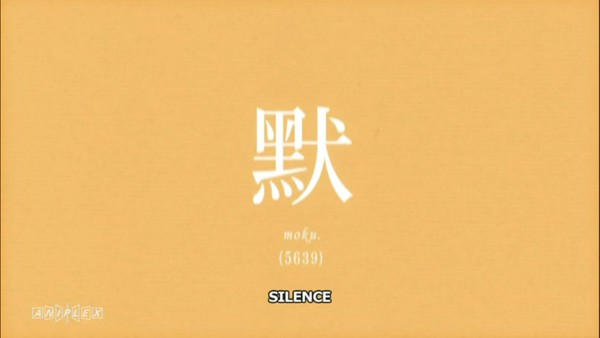
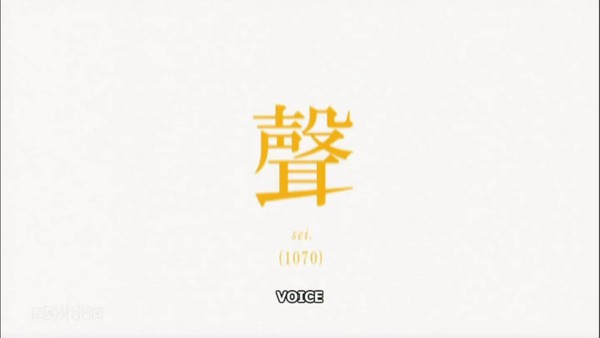
Big time. For me, it's the editing that stands out. Monogatari's anime began by punctuating its scene with interstitial cards that usually quote the novels, add context to dialogue, or throw in some other gag. These went on to become synonymous with the show's style. They are, importantly, beats that dictate the rhythm of individual scenes and entire episodes. They're a great means through which you can notice how important editing can be to the feel of a cinematic work.
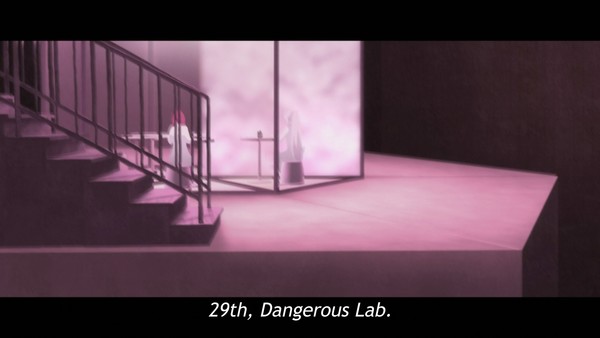
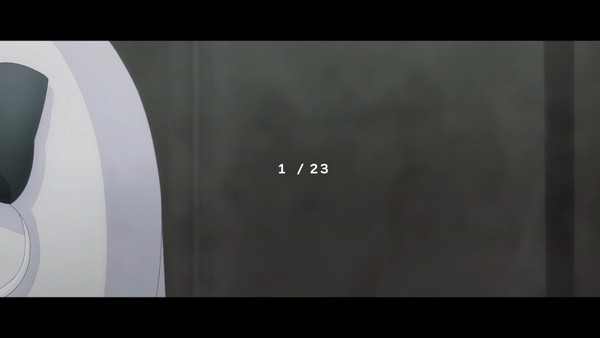
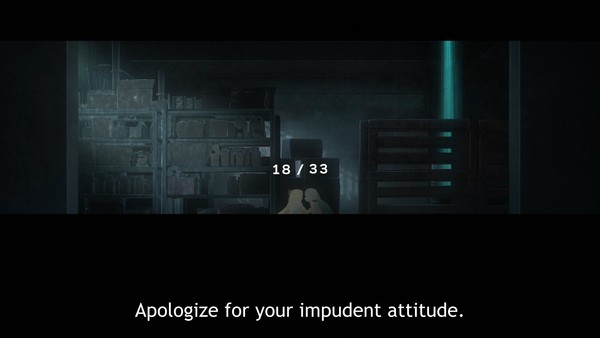
Most obviously, Shiboyugi counts its sections from one to the final part, introducing these chapter numbers as a "ticking clock" the audience can follow as the games progress.
I just about Leo-pointed and yelled "Monogatari!" when the chapter numbers first came on the screen. Thing is, the way Shiboyugi uses these devious digits makes it just as much Ueno's own stylistic approach as it is that evolution of the style as I stated. Because the numbers give the audience a built-in expectation for about how "long" a given arc will be, it plays with their expectations in terms of pacing when it seems like one is about to end. It's sort of an inverse of when a YouTuber acts like they're about to wrap up a video essay after only half an hour and insists that you not look at the rest of the runtime.
I just know they're gonna get up to even more creative shenanigans with the use of those numbers as the show goes on too.
I've already noticed that they've skipped a chapter a handful of times, so I'm eager to see what that's all about.
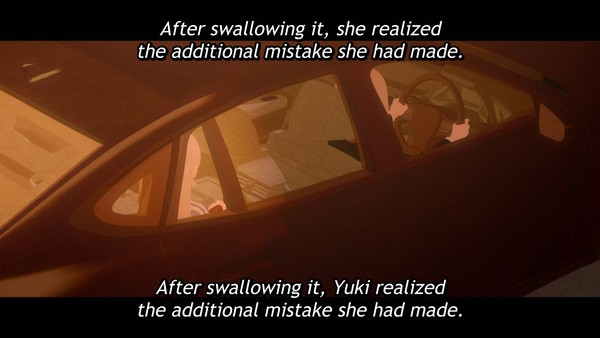
But yeah, it's a potent reminder that narrative shape and structure, while not as visible as the visual components on-screen, are still important factors in how an anime creates its identity. Shiboyugi's meticulous construction is a reflection of its highly controlled environments, as well as a lens peering into the psychological mechanisms holding Yuki together, game after game.
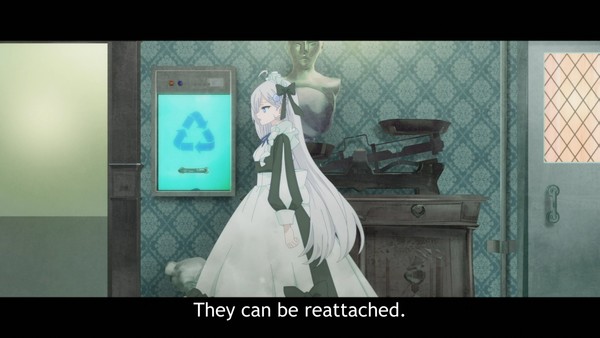
The way she's been reconstructed before and after the games by the forces running them mirrors how she's had to reconstruct herself to survive them. And we only just got to her adding in components from other players in this whole violent enterprise!
Incidentally, this highlights how Shiboyugi uses its constructed, aired nature to manifest its stylistic approaches. The "show" has to be palatable to an in-universe audience, hence the surgical doll-stuffing of the contestants that also neuters the gore that would be on-screen. This idea also calls its own way of attention to the abstracted distance character designs or the surreal scapes of the game areas. It's art in service of the medium, and vice-versa, inside and out.
Yeah the "show within a show" construction is an oldie but goodie, and in modern times, it is frequently used as a vehicle for social commentary. The viewers of the death games thirst for extreme violence yet shy away from blood. On an extremely unrelated note, how about that Super Bowl? Meanwhile, we can't ignore that the most common stated reason for participating is debt.
In many ways, this is the logical endpoint of the gig economy. Putting one's entire existence on the line merely to make ends meet.
Shows with explicit leftist political leanings also tend to get labeled as pretentious. I think it's too early to tell for certain what Shiboyugi's endgame might be, but in a world that gave us the anti-cop antifascist Akudama Drive, anything is possible.
It's right there in Shiboyugi's title: In a world where missing one paycheck can immediately mean homelessness and starvation, aren't we all playing a death game to put food on the table?
For Akudama Drive's part, its stylizations and pretentions swing a lot louder than Shiboyugi's, but you're right that it's no less effective in communicating its leanings and allegories. It's also indicative of how different art forms inform these kind of swings in anime, as Akudama author Norimitsu Kaiho has a whole bunch of credits on novels, RPGs, and video games, particularly collaborating with Danganronpa's Kazutaka Kodaka...who has his own arthouse approaches. It's a rich web of experiences and influences.
And yes, that language includes freaky puppets just like Shiboyugi's wacky wolf.
Thank you for reminding me about the wolf, because I wanted to mention my affection for works that span the spectrum from so-called "low art" to "high art." While the death game genre has always been political (further reading here), it is also a space that revels in the abject. The Saw movies, which Shiboyugi partially riffs on, are extremely trashy, gory, quickly thrown together, and nonsensical. But it's cool to see these same components painted with a veneer of sophistication.
It feels like my own level of pretentiousness to say that what Ueno and crew are doing with Shiboyugi "elevates" the genre. It's more just proposing its own artsy, unique take on it, and serving as a showcase of the team's abilities in doing so. Virtually any genre can feel "elevated" by the right application—hell, Ueno already did it before with the aforementioned Days With My Stepsister.
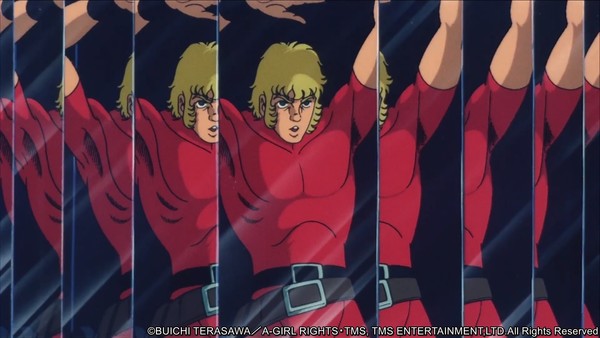
And it's never a "new" wave or approach either. Osamu Dezaki is an example of a classic creator who made his mark with signature, artsy direction of projects like the pulpy Space Adventure Cobra or formative sports classics like Aim For The Ace—which like Shiboyugi were just as much about working within the medium as they were about elevating it.
Yeah, I love that Stepsister and Shiboyugi feel like very distinct works, and not just because of their content. Ueno is already great at calibrating his approach to suit the material, without letting his voice disappear beneath the weight of the source. I really hope he gets to work on an original, Sonny Boy-caliber project of supreme artistic indulgence one of these days.
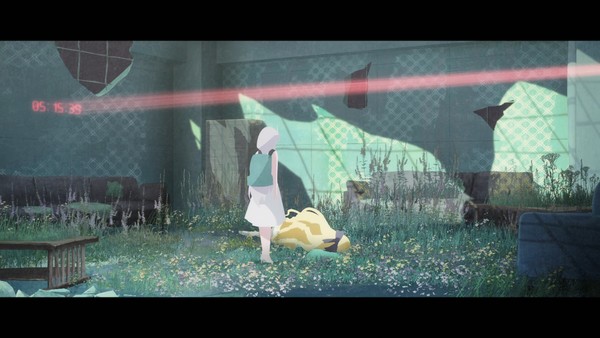
God, Shingo Natsume's Sonny Boy was the sort of show I felt lucky to be around when it got made. The arthouse approach is a strong strategy for defining an adaptation, but that anime is an example of how it can really shine when applied to an original story designed to accommodate it from the ground up. See also the aforementioned Akudama Drive and many of Ikuhara's works.
Days With My Stepsister seemed to fly under the radar, so I can only hope that Shiboyugi attracts more eyeballs and gets folks to check out Ueno's oeuvre so we get more chances to see what else that director can do. And encourages others to take chances on these kinds of artsy anime approaches.
You heard him. You better watch Shiboyugi and start appreciating art before we throw you all in the contraption.
Dara-san of Reiwa feels like two manga stitched together, not unlike its monstrous central character.― How should readers approach Dara-san of Reiwa, a story that feels like two manga stitched together, not unlike its monstrous central character? Creator Haruomi Tomotsuka shared at the end of volume one that the story originated as a web manga and was, at least at first, an outlet for his own fetish...
Akane-banashi finally has its turn in the weekly limelight, and Needy Girl Overdose catches up in the cumulative chart thanks to steady high marks since week 3. Check out our weekly user rankings!― Let's have a look at what ANN readers consider the best (and worst) of the season,
based on the polls you can find in our Daily Streaming Reviews
and on the Your Score page with the latest simulcasts. Ke...
When a manga has a two-page disclaimer, you know you're in for a good time.― When a manga has a two-page disclaimer, you know you're in for a good time. And let me tell you, Reform with No Wasted Draws - The Legend of Koizumi's first volume is a hell of a ride. My initial thought was, “Why bother with using real people?” but after reading this volume, I've come to understand why it was a much more e...
It's a smorgasbord of new announcements from a variety of showcases! Jean-Karlo's got the details from the Japanese side of gaming.― Welcome back, folks! I took up the challenge of playing Kirby: Return to Dream Land Deluxe over the weekend. It is as charming as you'd expect. Also deeper than I expected. I'm used to the Copy abilities in a Kirby game having varied move lists; they've done that since...
It's easy to miss a true seasonal anime highlight, but you'll regret leaving the beautiful Nippon Sangoku on your "watch later" list.― With more anime than ever to choose from and high-profile series split among several streaming services, it's easy to miss a true seasonal highlight. Nippon Sangoku The Three Nations of the Crimson Sun first caught my attention while preparing for the Spring 2026 Ani...
Kasagi Labo has overseas plans for film of indie music video― Illustrator Akiwashi and Euluca Lab's self-produced music video "Living in a World Without Magic" ("Mahō no Nai Sekai de Ikiru to Iu Koto" or Mahoseka for short) has an animated feature-length film project in the works. The original music video is below: Akiwashi served as the director, scriptwriter, character designer, animator, backgrou...
Creator of Yawara, Master Keaton, 20th Century Boys, Pluto, Billy Bat starts Saigo no Manga Kyōshitsu― The July issue of Shogakukan's Big Comic Original Special (Big Comic Original Zōkan) magazine announced on Friday that Naoki Urasawa will launch the new manga series Saigo no Manga Kyōshitsu (The Final Manga Classroom) in the September issue on August 12. The announcement teased, "What's Urasawa tr...
Traces of Gintama's heart and hilarity are definitely here, but each episode goes on five minutes too long in service of a tacked-on climax.― Gintama is one of the most celebrated comedy manga of all time. Hideaki Sorachi smashing aliens into the tail-end of the Sengoku era was every bit as bold as when Akira Toriyama dropped dinosaurs and mechs (and eventually aliens) into Journey to the West. What...
Creator Coco Uzuki drew commemorative illustrations for anime debuting in 2027― A new official X/Twitter account opened on Friday to announce that Coco Uzuki's Fall in Love, You False Angels (Koiseyo Mayakashi Tenshi-domo) manga is getting a television anime in 2027. Uzuki shared illustration to commemorate the announcement: The official X/Twitter account for the Kashiwa branch of the Cybex cafe cha...
Manga last published chapter in March 2023― The July issue of Shogakukan's Gessan (Gekkan Shōnen Sunday) magazine revealed on Friday that Ayumi Ishii's historical manga Nobunaga Concerto will resume in the magazine's next issue on July 10, and will also end in three chapters. This will be the first new chapter for the manga since March 2023.The manga's 22nd compiled book volume shipped in February 2...
Coop and Chris explore anime film reimaginings of series and the madness of trying to find a copy.― Coop and Chris explore anime film reimaginings of series and the madness of trying to find a copy. Disclaimer: The views and opinions expressed by the participants in this chatlog are not the views of Anime News Network. RetroCrush streams Adolescence of Utena and Aim for the Ace! Pluto streams Space...
Stranger Than Heaven's combat requires a more methodical approach. You can't just spam a button or two continuously like you could in the brawler-centric Yakuza games.― Despite not having the title “Yakuza” or “Like a Dragon” in its title, Stranger Than Heaven takes place in the same universe as those games. It's actually a prequel, detailing the origins of the Tojo Clan, which is prominently featur...
This noble’s vacation might be gentle on the eyes and ears, but recommending it is another story.― A Gentle Noble's Vacation Recommendation centers around a young duke, Lizel, who is magically transported into a kingdom he does not recognize. He gets by through becoming an adventurer, hiring a bodyguard, Gil, and together they wander the kingdom as part of a vacation where serendipity holds the rein...
Resident Evil Veronica producer Yoshiaki Hirabayashi talked about the challenges of creating remakes, the decision to change the original's title, and what the team would add.― At Summer Game Fest 2026, Anime News Network got a chance to sit down in a group Q&A with Resident Evil Veronica producer Yoshiaki Hirabayashi to discuss the challenges of creating remakes, the decision to change the original...
Yūto Uemura stars in anime from HOTLINE studio― A website opened on Wednesday to announce the television anime adaptation of writer Izushiro and illustrator Ruria Miyuki's The Greatest Magicmaster's Retirement Plan (Saikyō Mahōshi no Inton Keikaku) light novel series. The website revealed the anime's teaser promotional video, teaser visual, lead cast member, staff, and 2027 premiere. Miyuki and Karu...


 @RiderStrike
 @BWProwl
 @LucasDeRuyter
 @vestenet