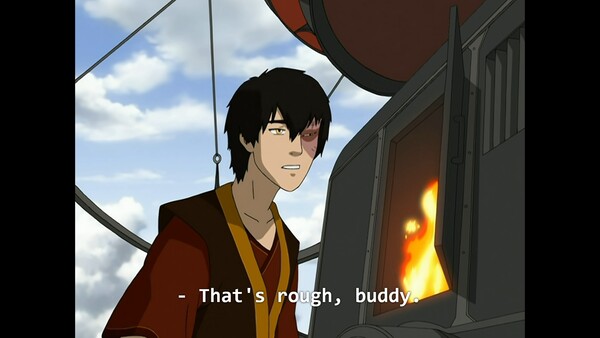
Lucas and Chris explore the thorny question of whether or not getting a middling live-action adaptation makes Avatar: The Last Airbender anime.
Disclaimer:The views and opinions expressed by the participants in this chatlog are not the views of Anime News Network. Spoiler Warning for discussion of the series ahead.
Avatar The Last Airbender is streaming on Netflix.
Lucas Chris, between our quarterly exploration into the isekai mines and our seasonal rom-com roundups, I know we have no shortage of recurring segments in This Week in Anime. However, this new schtick might have legs, and we have a fantastic piece of news from this previous week to test it out on!
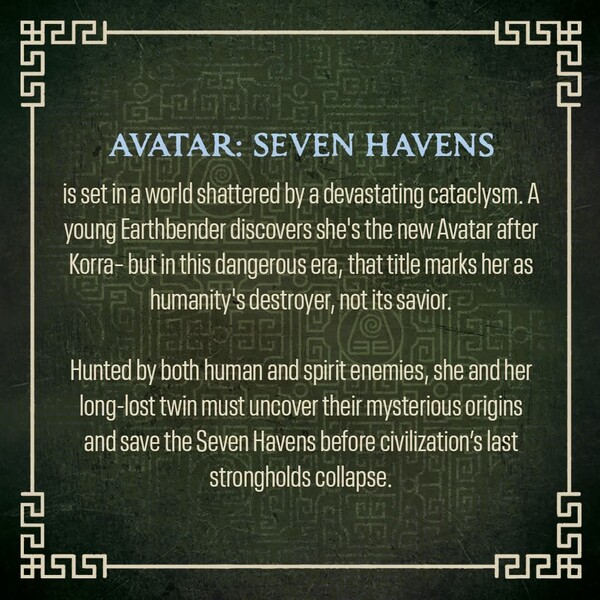
Nickelodeon just announced a new entry in the beloved Avatarfranchise, Avatar: Seven Havens! So, today, I'd like to settle once and for all with you, Chris, is Avatar anime!??
Chris We're no strangers to lines getting blurry on TWIA, and Fire Lord knows Avatar has come up here in conversation plenty of times. I may disagree, but the standards are pretty clear-cut on this one:
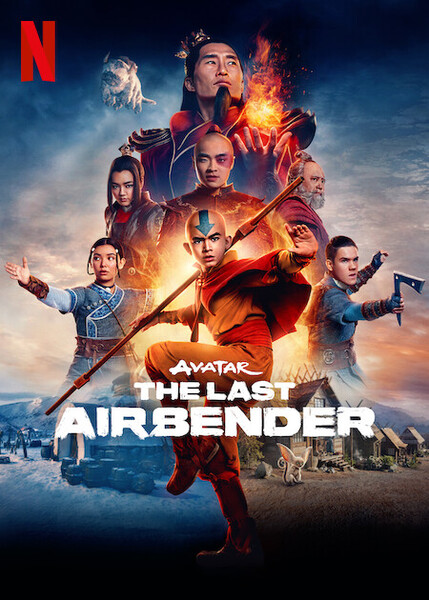
Avatar: The Last Airbender received a middling live-action Netflix adaptation. Therefore, it's an anime.
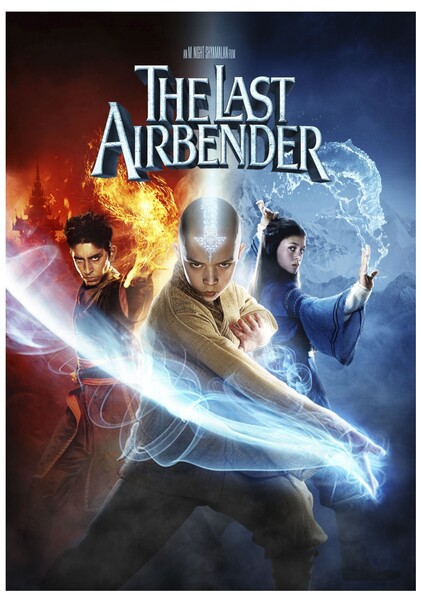
Moreover, the franchise received a live-action film that was critically panned and completely misunderstood, which made the original work so appealing!
I know we'll get to counterarguments before too long, but the evidence is stacking up in favor of Avatar being an anime!
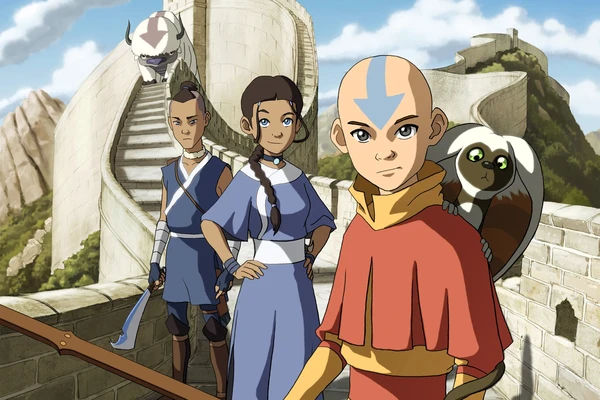
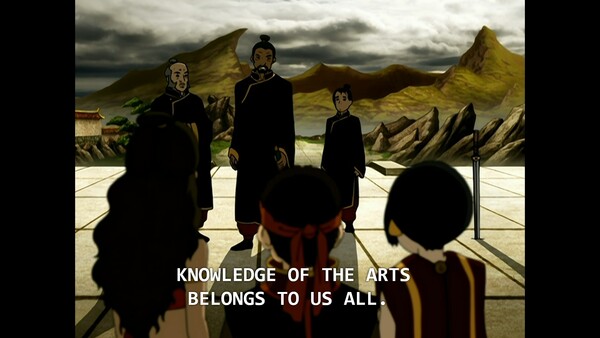
Is there anything more anime than a misunderstood adaptation full of mispronounced names? It's been a solid 20 years since Aang and the Gaang first burst out of an iceberg and into our hearts. Regardless of whether it's "anime" or not, Avatar, similar to Scott Pilgrim, has long been an honorary inclusion in weeb fandom.
It makes sense, as whether or not it is anime (spoiler alert, but I don't consider it to be) Avatar was absolutely one of the first, most visible cartoons to tap into the appeal of the medium at the time of its 2000s zeitgeist.
It does not matter if Avatar is an anime. Thinking about art through a purely categorical lens is super boring and flattens how art and artistic inspiration work, but debating it is a fun thought experiment!
How separate can a work be from its inspirations? How steeped in a culture can a work be when produced outside of it? How much does the intended audience of a work affect its identity? What even is anime!? All of these questions and more aren't exactly the most important thing we could be talking about today, but they're a lot of fun to bicker over!
So the story goes that Avatar series creators Bryan Konietzko and Michael DiMartino (who are returning for that new Seven Havens series) were at least partially influenced by the works of Hayao Miyazaki and the likes of Cowboy Bebop in their conception of Avatar. Cultural influence is a big factor as anime and anime-inspired works go on in the world, and we'll probably come back to that point later.
The thing is, this wasn't a new inspiration. We'd had creators like Craig McCracken and Genndy Tartakovsky around for years whose works could be clocked as "anime-inspired." Still, even something like Samurai Jack didn't feel on the same level of "just making their own anime" the way Avatar did.
The fantasy adventure elements of Avatar help separate it from its contemporaries. Its East Asia-influenced backdrop aligns it more with typical shonen stories than Samurai Jack's multicultural, sci-fi pseudo-dystopia.
Also, the story structure of Avatar is a lot more similar to anime than contemporary western cartoons. With the characters perpetually on their way to a specific location or in pursuit of an obtainable goal, it has more of an "enemy of the week" format similar to Pokémon or Dragonball Z. By comparison, Samurai Jack or Danny Phantom have a decidedly episodic structure where world states and dynamics largely reset from episode to episode.
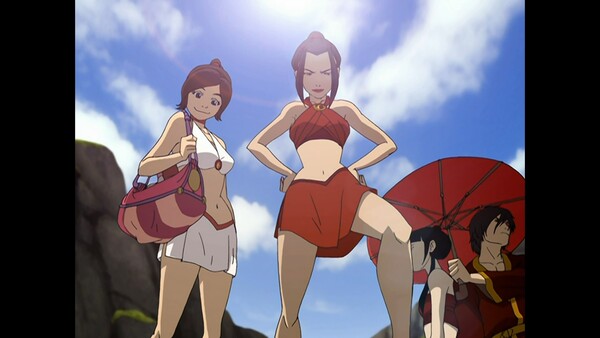
Yeah, Avatar nailed down serialized storytelling in a way that clicked with an audience of kids and teens that was primed to be receptive to it from years of Dragon Ball and Naruto. You'd get chapter-based entries in ongoing arcs, nicely paced out with side stories about the villains going to the beach.
Avatar also has a Beach Episode. One more piece of evidence in the "Is Anime" column, I'll concede.
The amount of fan art and fan fiction that's still coming out for supporting characters that aren't hugely consequential to the overall story of Avatar, like Ty Lee, is maybe the strongest evidence anyone can point to that the show is, in fact, an anime.
I know a couple of Western-produced shows, like Star Trek and Dr. Who, have a similarly engaged audience, but this level of enthusiasm for animated works is almost exclusively reserved for anime in the US!
My co-workers at my day job bring up Avatar regularly! I cracked-wise about the Netflix adaptation, but that really speaks to the level of pop-cultural penetration we're dealing with here.
The general solidity of the show, I think, also indicates why Avatar was so welcomingly lumped in with the actual anime loved by the otaku of that burgeoning generation: we weren't coming at anime specifically, necessarily for its exotic import value. Rather, this was just an audience looking for an animated series with a sense of seriousness and ongoing story progression. Avatar fit the bill, and the fact that it was noticeably anime-styled didn't hurt in all that, either.
2005, when Avatar was released, was also a strange time for the burgeoning US anime fandom. While the US anime fan community was going strong as a sub-culture, the media wasn't widely accessible outside of what made it onto US airwaves via Toonami, Kids WB, and the like.
A big part of why more casual anime fans and general entertainment audiences consider Avatar anime is because it gives a lot of anime vibes and was airing at a time when its target audience was less discerning about media distinctions.
Exactly. It was "anime enough" in an era when there was less direct imitation of the medium, more mild influences, or even pure parodies in places.
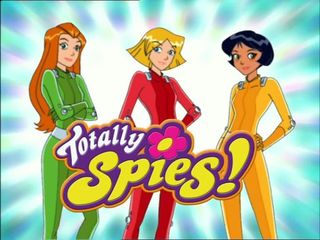
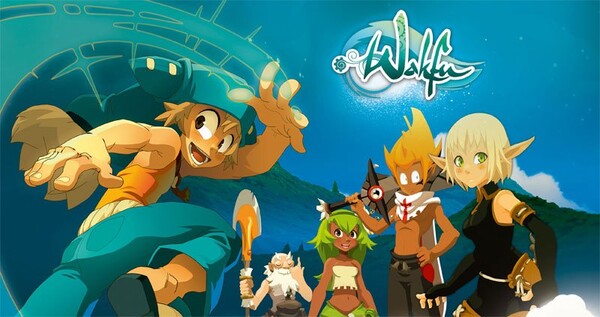
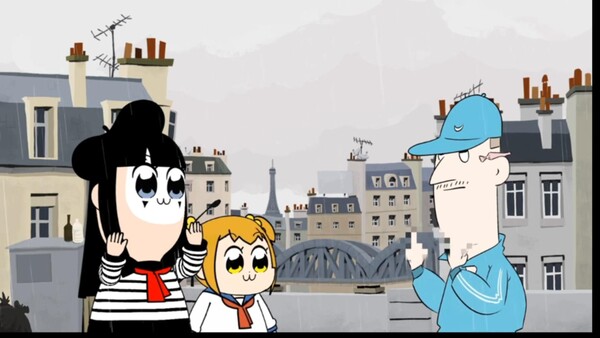
It's also worth noting that Avatar primarily represented anime's style starting to cross over mainly in the American part of the Western world. The influence was felt elsewhere in the 2000s with anime-style shows like Totally Spies and Wakfu from France. Franime, if you will.
All this to say that, yes, I think Avatar hitting was a "Right place, right time" situation.
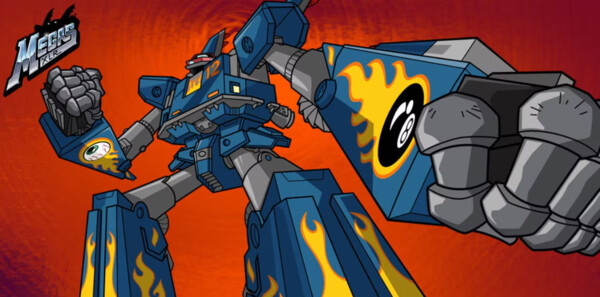
There are plenty of preceding and simultaneous examples of anime influencing Western productions from the early and mid-2000s beyond Avatar. Hell, the premise of 2004's Megas XLR is basically, "What if a mech anime took place in Jersey?"
At a certain point, all of these productions dipping their toes into the anime pond becomes an argument for none of them belonging to the medium. After all, 2005 also saw the release of decidedly anime works like One Piece: Baron Omatsuri and the Secret Island, Eureka Seven, Mushishi, and other projects that would go on to both exemplify the medium and push it forward. If The Last Airbender isn't contributing to the anime medium, can it be considered anything more than an anime homage?
This gets back into that cultural cross-pollination aspect I alluded to. Those listed contemporaries clarify what was happening with Avatar: the generation of cartoon creators had also come up with anime just like their audience, and were naturally referencing it in their works the same way they would any other influences.
As Avatar's robust fandom indicated, this was also around the time the internet was causing tastes to become more globalized. People were watching both these shows and the anime that influenced them, which means those influences were only going to become more integral and pronounced as creators continued through the eras.
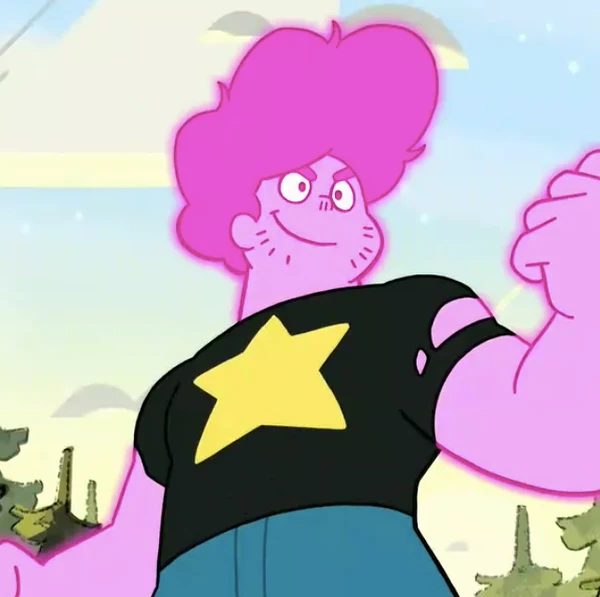
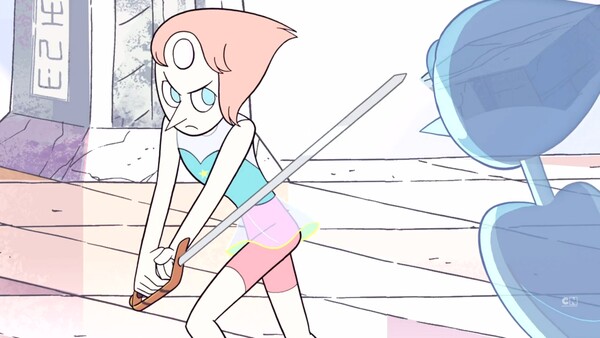
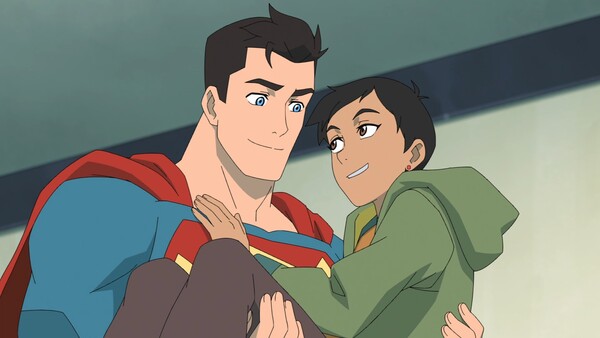
Exactly, Avatar paved the way for later anime-influenced works like Steven Universe and My Adventures with Superman, which both have more anime in their DNA than any other kind of media.
That's the point I've been considering and driving at with Avatar. It's not anime, but it was ahead of the curve in terms of how anime-inspired so many Western cartoons are these days.
We take it for granted, and I wonder if that might cause younger, modern audiences to not realize how novel Avatar was at the time.
That's an interesting perspective that reframes these kinds of media as a sub-genre of Western-produced animation rather than directly playing around in the anime space. If you'll allow me to press you on this distinction, do you think the reverse is true of Japanese media?
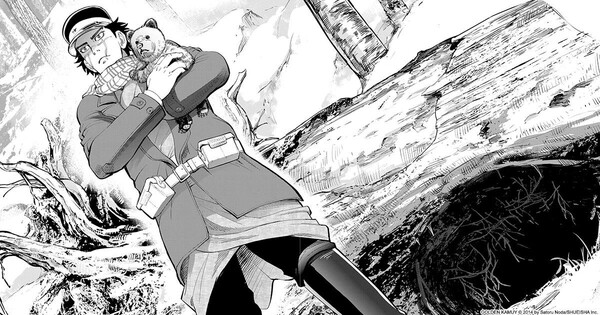
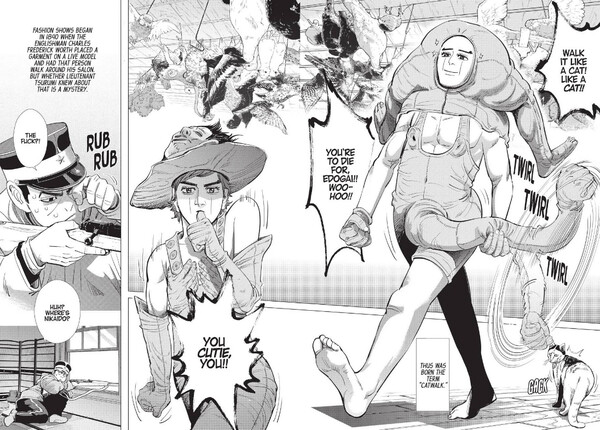
For instance, I'm 100 chapters into Golden Kamuy, and I can confidently say that it lifts ideas liberally from American-produced Westerns and Italian-produced spaghetti westerns. Furthermore, early Dragon Ball is overtly inspired by Chinese myths and folklore. Do you think they, too, belong in their own subcategory, or are they just anime and manga?
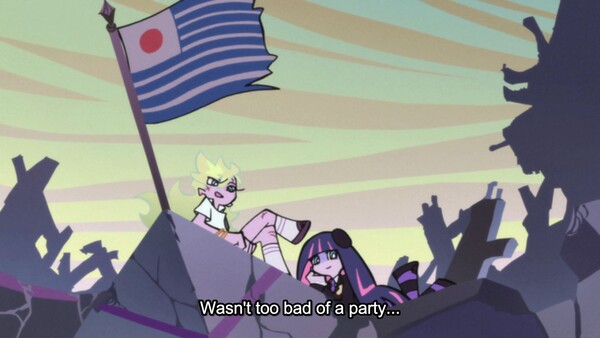
I'm a fan of Panty & Stocking. I believe anime is anime no matter what other cultural sub-styles it's biting.
This swings back to my point about cultural cross-pollination, just in the other direction. Just as Western cartoons have borrowed more and more from anime up through the present day, you have examples of anime creators like Studio Trigger and their visible love of Western sensibilities informing their own animation. Golden Kamuy and Dragon Ball may be inspired and influenced by those other art forms, but they're still manga and anime first—you wouldn't think of officially filing them as Spaghetti Westerns or Chinese myths.
I think Dragon Ball is as much an iteration on Journey to the West as the recently released Black Myth: Wukong game. Also, Golden Kamuy has a B-movie level of ridiculousness that I'd more readily ascribe to pulp media than anime or manga.
Do you think a piece of animation produced in Japan could fall outside of the "anime" designation?
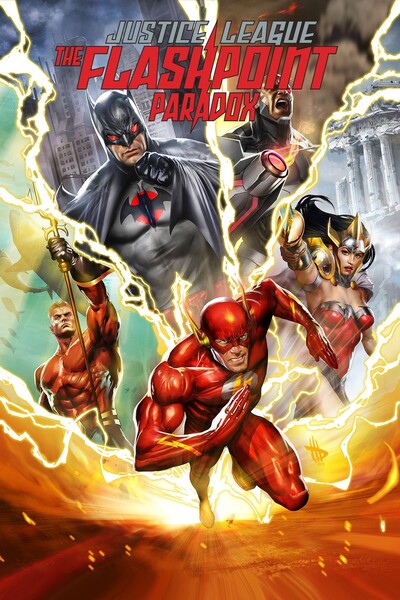
There are edge cases, to be sure, such as projects that weren't Japanese in origin that had their animation contracted out to Japanese studios. So you get weird situations where a bunch of those direct-to-video DC animated movies could technically be considered "anime," while the much more conventionally anime-styled My Adventures with Superman isn't.
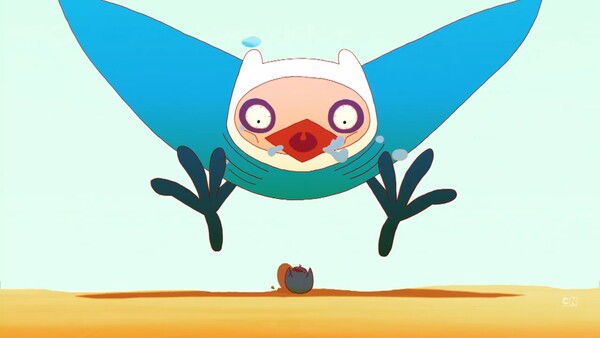
That's not even getting into the times that Japanese studios provided guest spots for Western cartoons like Science SARU doing episodes of shows like Adventure Time.
I think this breakdown is consistent and stands up to scrutiny. There's a lot more fun to be had in evaluating a work by its genealogy and influences. Especially in the digital age, regionality seems to have less of an impact than ever on the type of work that increasingly distributed teams can produce.
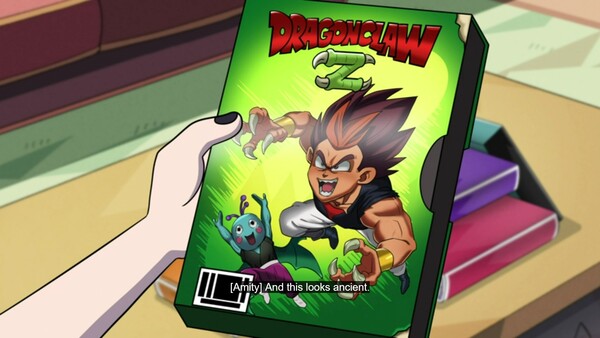
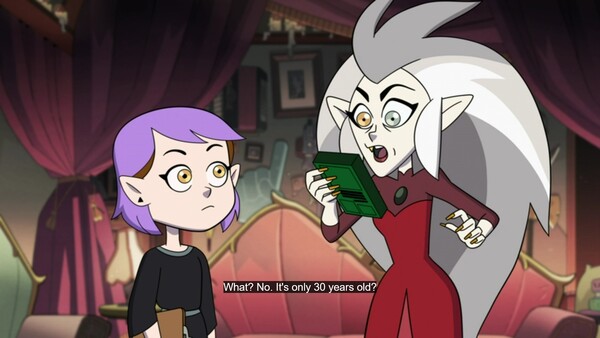
That's what I've been getting at with Avatar and the animated series that followed in its wake. Shows like The Owl House crib a bunch from anime (it's an isekai and a magic school series!), but that's not because the people behind them are trying to make something that can be passed off as anime. It's just that anime has been one of the dominant art forms that this generation of creators grew up inspired by.
It's just normal now, and results in the odd situation where a show like The Owl House is arguably even more anime-styled than Avatar, but no one's trying to argue that it counts as an "anime" the same way people did for Avatar back in the day. It's just what cartoons are like nowadays.
"Cartoons, they're all kind of anime now!" is a stance that I don't think anyone who's watched enough of them to have an opinion will disagree with!
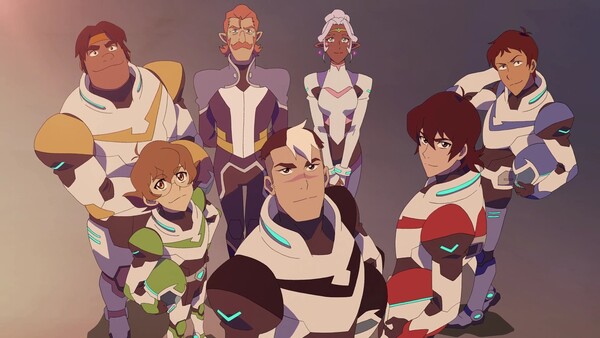
You can chart that through Avatar's direct and indirect descendants, from Legend of Korra to The Dragon Prince to Voltron: Legendary Defender—that last one itself a bizarre case of recursive Japanese/Western adaptational cross-pollination.
As a pioneering progenitor of this approach, I can admit that Avatar belongs in the anime conversation. It does; we're having that conversation here right now!
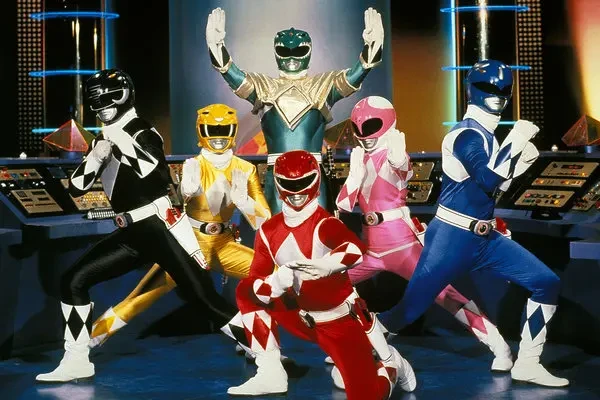
That's a bit of a fence-sitting conclusion, but a fair one! I'd try to push back, but your Voltron example now has me fixating on whether works can still be representative of their original medium or genre if they were heavily altered in a localization process. Are the older Power Rangers shows still an example of tokusatsu media after Saban Productions painstakingly sanded off every cultural signifier in the original work?
If you've already played Devil May Cry 5 Special Edition before, you won't experience anything new here. But if it's your first time on this rodeo or you want to take the game on the go, hop in and enjoy the ride.―
It's been a few years since the release of one of the best character action games in the past decade, Devil May Cry 5, and now it's finally here on Nintendo Switch 2 in the Devil Hunter ...
There's just something about a woman who could squish you. Sylvia and Chris run down (up?) some of the giantesses of anime.― There's just something about a woman who could squish you. Sylvia and Chris run down (up?) some of the giantesses of anime. Disclaimer: The views and opinions expressed by the participants in this chatlog are not the views of Anime News Network.Spoiler Warning for discussion ...
This is definitely a game that you're going to want to add to your upcoming wishlist.― Splatoon has always been a unique game franchise built upon its multiplayer content. So what happens when Nintendo decides to pivot and focus on creating a game that centers around a single player campaign? The result is Splatoon Raiders, a third person platforming shooter with a focus on exploration and treasure ...
Gundam Build Fighters Try's Shinya Watada directs anime at CyberAgent's CA Soa studio― CyberAgent announced on Tuesday that its CA Soa anime studio is producing a television anime adaptation of Mozuku Sora and Higoro Tōmori's The Bugle Call: Song of War (Sensō Kyōshitsu) manga that will premiere in 2027. CyberAgent unveiled a teaser trailer and visual for the anime. Shinya Watada (Rock is a Lady's M...
Star Trek: Picard's Christopher Monfette serves as executive producer, showrunner, writer― Entertainment industry news outlet Variety reported on Monday that Netflix is developing a live-action series based on the Persona video game series from Atlus. Although Variety noted that each main game in the franchise has its own story setting, its report did not specify if the planned adaptation is based ...
I welcome any high-budget, high-production value, mostly linear experience with a clear story to tell that clocks out right on time.― Pragmata is a game that, despite my best efforts and the quality on offer, I never could get into the groove with. Nonetheless, it's a beautiful game that makes a lot of noble attempts at novel design. First, the priors. Pragmata is a third-person action game with som...
Crunchyroll will stream 2nd season― The staff for the television anime of Kamome Shirahama's Witch Hat Atelier manga announced on Monday that the series is getting a second season. Crunchyroll revealed that it will stream the second season. The staff unveiled an endcard image: The manga's story centers on Coco, a girl who lives in a little village, and who has always dreamed of becoming a wizard. Bu...
The celebration of Sonic's birthday continues as Josh looks at the blue blur's mobile offerings!― Greetings, and welcome once again to the column! I've spent much of my mobile game-playing time catching up with Fate/Grand Order's Cosmos in the Lostbelt storyline, specifically clearing the Lostbelt No. 7, Nahui Mictlan chapter, as beating it and the subsequent opening stage of the Ordeal Call campaig...
It's going to be a hot summer and an even hotter anime line-up this season.― It's going to be a hot summer and an even hotter anime line-up this season. For us "oldtaku," there's no doubt that Science SARU's The Ghost in the Shell is one to watch. Surprisingly, the studio is also premiering the Mongolia-set historical epic Jaadugar: A Witch's Life in Mongolia in the same season with the illustrious...
There's a sense of invention permeating through A New Dawn's various experiments with visual languages of animation.― Perhaps there's a certain irony in a story about a fireworks factory mostly keeping away from explosive drama. Yoshitoshi Shinomiya's lowkey feature directorial debut A New Dawn is at the very least visually captivating, comprised of lush and rather hypnotic production design. The st...
Story set during "Prism.3" competition for Prism Show trios― The "King of Prism Super Live Prism☆Tours!" event announced on Sunday that production has begun on King of Prism -Tri-Star Act-, a brand-new film in the King of Prism anime franchise. The story is set during "Prism.3," the competition for trios who perform the franchise's signature Prism Shows. The tagline on the teaser visual (drawn by ch...
2nd season ended with 12th episode on Sunday― The official website for the second television anime season based on Fujino Ōmori and Toshi Aoi's Wistoria: Wand and Sword (Tsue to Tsurugi no Wistoria) manga announced in an teaser on Sunday that production on a third season has been green-lit. The anime's character designer Sayaka Ono drew the visual celebrating the news: The anime's second season ende...
Katagiri helms Laboratory of Optics and Neural Analysis anime with original story, screenplay by Akiko Nogi― WIT Studio revealed on Sunday a new original television anime by director Takashi Katagiri (SPY×FAMILY Code: White film) titled LONA (Laboratory of Optics and Neural Analysis), which will debut in spring 2027. WIT Studio also revealed two teaser videos, three teaser visuals, and the main cast...
Monolith Soft's ambitious RPG is better than ever on the Switch 2.― Good news, folks! Xenoblade Chronicles is finally a real video game! It's got 4K graphics and everything!The Xenoblade Chronicles series is one of grand ideas, grand vistas and greater impact. People willing to look past its RPG trappings get quickly obsessed with its heady blend of science fantasy and Gnosticism. It's a labor of lo...
Season 1's final episode aired on Saturday― The staff for the television anime of Tadatoshi Fujimaki's Kill Blue manga announced after the final episode for てthe first season aired on Sat;urday that the series will receive a second season. Fujimaki drew an illustration to celebrate the announcementViz Media is publishing the manga digitally and in print, and it describes the first volume: Juzo Ogami...
So many iconic moments from the manga are replicated intelligently and beautifully here.― How many different adaptations can one single manga spawn? In the case of Masamune Shirow's 37-year-old Ghost in the Shell, too many TV seasons, movies, and OVAs to count on the fingers of both hands. It's a bona fide phenomenon, with influence beyond the realms of manga and animation. Although every version so...


 @RiderStrike
 @BWProwl
 @LucasDeRuyter
 @vestenet