Chris
Lucas, trends come and go in anime, as we know. It's not too surprising that, over a decade later, the dark magical girl genre is re-emerging with a subversive edge.
What is surprising is that it's returning with the same shows from that bygone era! Madoka Magica's new movie at last saw its theatrical release, and there's somehow a new Magical Girl Raising Project show in the hopper for the fall season! How did we get here? Did someone make an extremely cursed wish that's about to be twisted in some unfortunate, unforeseen way?
Lucas
What is this? A magical girl time loop? That's probably not going to end well for all involved, but it'll make for damn good TV!
Chris, here on This Week in Anime, we've been predicting that remakes or expansions of older, niche popular titles are likely to become more common as other content wells begin to dry up. As weird as it is to see that shift happening so rapidly, I am enjoying it and love having an excuse to check out magical girl media of any variety, as the space has been a blind spot to me for a while now!
Even just the couple of shows I've watched for this column so far have been tremendously rewarding, with many of these titles being the fun kind of edgy rather than frustrating and shockingly more self-aware than I expected!
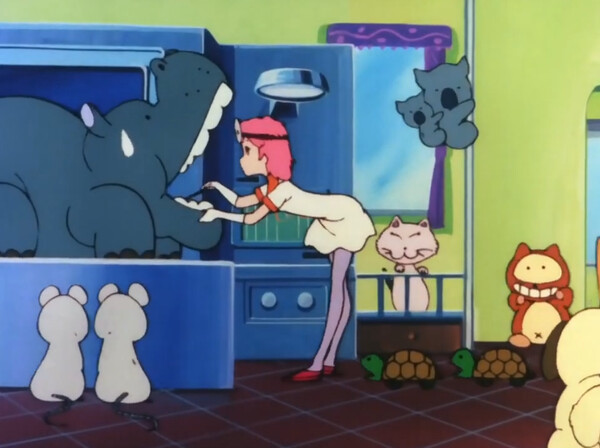
Despite being a pigeonhole on paper, dark magical girls can run a surprisingly wide gamut. And in talking about the topic, it's probably worth starting by seeing where this came from in the first place. Puella Magi Madoka Magica started all the way back in 2011, after all. That's generations behind the current crop of anime fans! But of course the real truth is that magical girls were dealing with darker stuff even in their classic, "pure" forms. Minky Momo died for our sins, after all.
Thinking on it with some kind of objectivity now, and now having experienced takes on this sub-genre that don't prioritize shock value above storytelling, using magical girls as a vehicle to explore darker themes is brilliant. Principally a power fantasy rooted in femininity, magical girl media is intended to give girls a taste of empowerment via markers of adulthood.
Magical Princess Minky Momo literalizes this even further by having the titular Momo transform into an adult with a skill set in a relevant profession, making a child's idea of adulthood her literal superpower. With this framing, it makes sense that this media would also explore darker ideas tied to adulthood, like death and how untimely it can be...even if the development feels like more of a left-field development in the moment and is confirmed to be a consequence of the sponsor pulling their funding from the show.
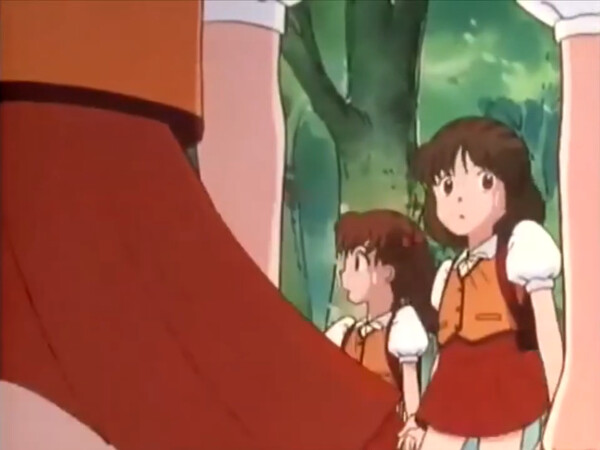
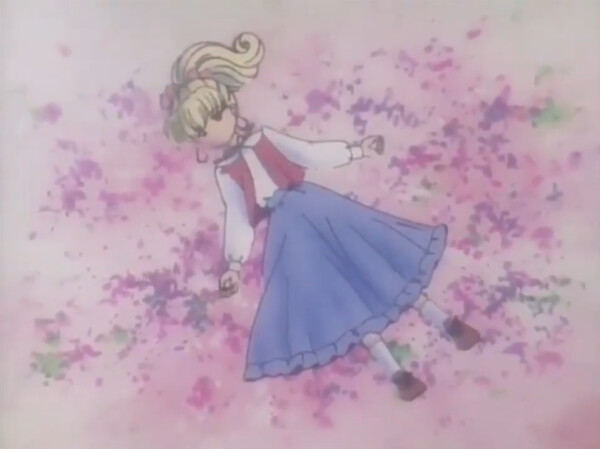
Right, Minky Momo's brush with death (she reincarnates afterward and the show continues for a while longer!) was more an unhappy incident that jibed well with those themes you talked about the genre covering. But other magical girl anime were hardly sunshine and rainbows themselves. Kamikaze Kaitou Jeanne did its own subversive twist reveal late in its plot. And discussion for this column came with a Rebeccamendation for mid-90's magical girl show Nurse Angel Ririka SOS, which caps off its holy healing run by going all in on the tragedy!
While this plot twist was almost assuredly an attempt to make Nurse Angel Ririka SOS go the 1995 equivalent of viral with it's unexpectedly adult fan base, BOY does this development hit differently in 2026. Considering the show's vaguely ecological and conservationist focus, it feels almost predictive of the world today, where the mounting effects of climate change are becoming daily realities for just about everyone.
It takes a solid little magical girl show to be surprisingly poignant, and it makes me glad I gave it a look. I don't know that the dark twist is necessarily aimed at the adult side of the viewership—take it from a fan of Digimon and Kamen Rider; these kids' shows can get heavy when they want to. It's a healthy respect for what the target audience can handle, and shows that taking magical girls seriously wasn't just waiting in the wings to be an affair aimed at adult otaku.
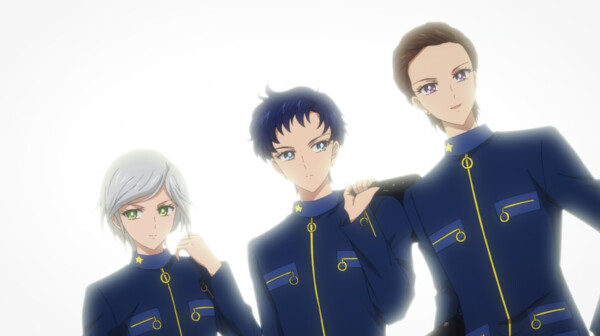
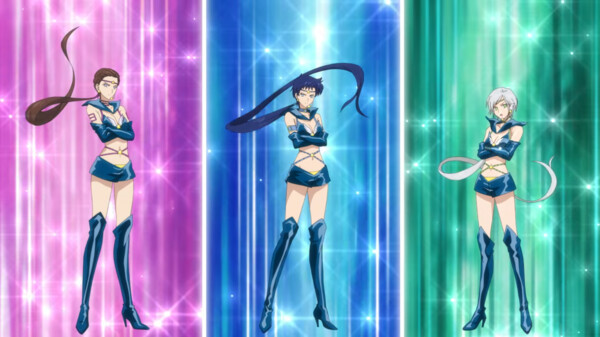
Hell, even the archetypal all-ages magical girl Sailor Moon got real by its final stretch, as fans know (and can see recently realized in the Sailor Moon Crystal Cosmos movies).
You're right to push back on my cynicism, but I will say that Sailor Moon Crystal Cosmos ended up clicking with me more than most other media in the franchise, and I'm not just saying that because of the absolute GENDER going on with the Sailor Starlights.
While there are a lot of reasons why Sailor Moon is nothing short of a foundational text for a lot of modern media today (magical girl or otherwise), the most appealing part of the work to me personally is how it's essentially an epic space opera. While this element of the work can sometimes get lost in its monster-of-the-week formula and moralizing to its younger audience, the full scale of the work is on display in Crystal Cosmos, and I can't help but find affection for something this grand.
It shows how far the genre can go just in this particular, pretty well-known example. Takeuchi was drawing on inspiration from plenty of forerunners in the space while evolving the template that others would follow after her.
With that background, it's apparent that the runway was always clear for something like Madoka Magica to hit the way it did in 2011. These were already ideas inherent to the genre; Urobuchi just added a coat of grisly paint and aimed it at the late-night anime audience. And the rest, as they say, is history.
Oh Madoka Magica, to this day I still don't know if I should be grateful to the franchise for popularizing the idea that magical girl media can cover a wide breadth of themes, tone, and subject matters, or gripe about how it reinforces the idea that magical girl media is only worthwhile if it's "subversive."
Either way, Madoka Magica lords over those edges better than just about anyone else in the game and, to the show's credit, it got my social circle of decidedly not anime fans talking about the medium back in high school!
Sometimes popular things are popular for a reason. The sheer irony of Madoka's supposedly subversive cred is that, as we've outlined, it's not really. It's playing in a lot of the same sandboxes as its forebears. Hell, the ending (of the original series) upholds a lot of the ideals those classic shows were built on!
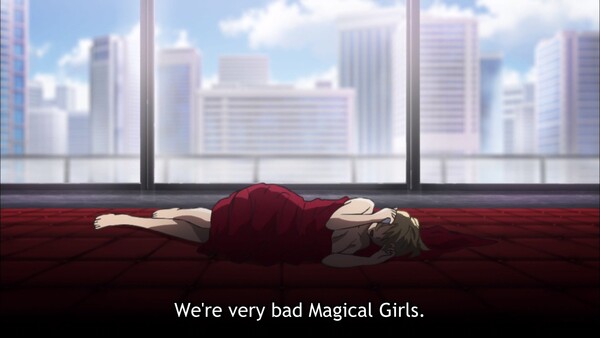
Admittedly, Rebellion moved away from that a bit as it became more of a study of Homura's character and her interfacing with Madoka as a person, idea, and embodiment of those aforementioned magical girl ideals. So it's still there after all. I genuinely can't wait to see what Walpurgisnacht: Rising does with it next.
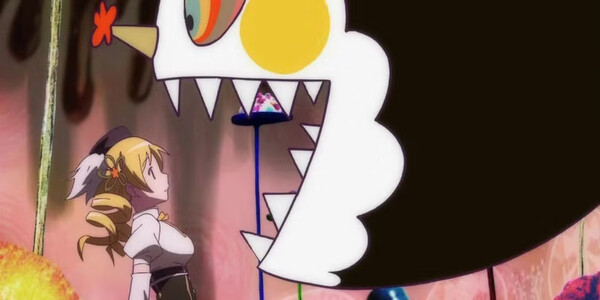
In fairness, I'm sure that Madoka's twist hit like a freight train to folks unfamiliar with magical girl media and who were also unable to clock this little Artemis knockoff as pure evil the second it showed up on screen.
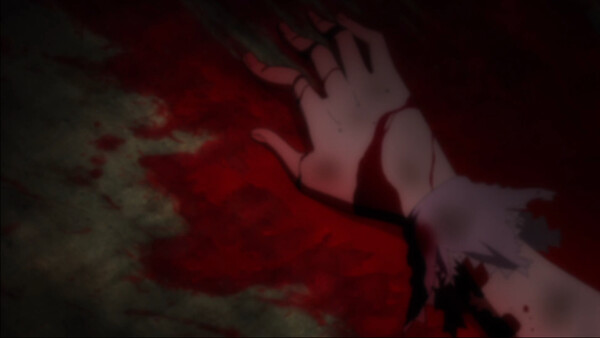
Oh for sure. It's one thing to have your magical girls getting magically vaporized at the dramatic finish of the story. It's another thing entirely to have one suddenly get decapitated fighting the monster of the third week!
Small wonder the takeaway from other anime producers was "Nerds want magical girls, but shocking and violent!"
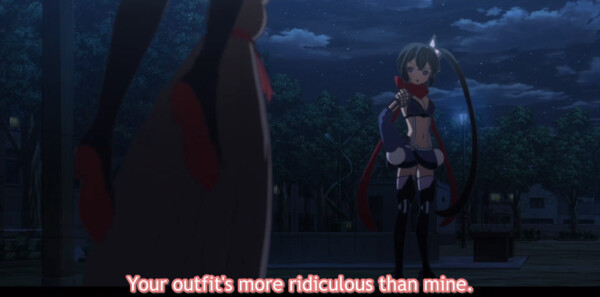
While that's definitely the most reductive lesson decision-makers and production committee members could have learned from Madoka, it did seemingly give us Magical Girl Raising Project, which is probably my favorite of any show I checked out for this column!
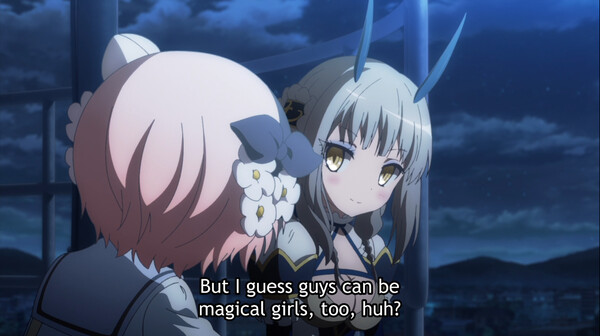
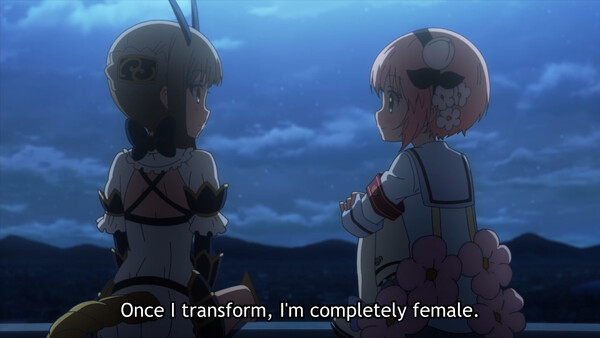
And once again, GENDER! I know this genre too well to get attached to any of these adorable lil blorbos, but Raising Project is really good at making me want to root for characters with obvious death flags hanging over their heads!
Many such cases. Raising Project hits the bloody 'n' broody death game element to define its own flavor, but it's still predicated on a love for magical girls as a genre. It definitely feels like a take-off in the wake of Madoka, but it has enough of its own approach to not feel like a total carbon copy.
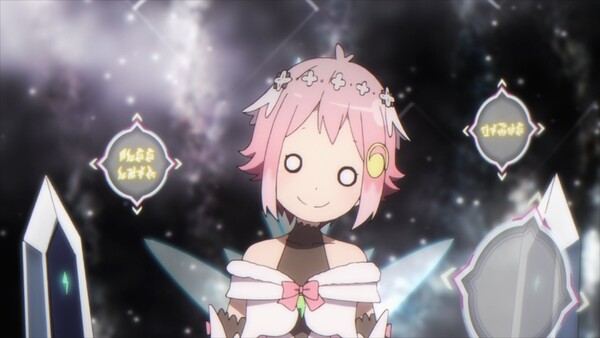
Without spoiling things for you too much, Raising Project ultimately wound up going rang as real cynical for me the first time I watched it. Still, it was decisive in a show forging its own identity, and absolutely left a door open for some interesting follow-ups. There were plenty of novels, but we're only now getting that follow-up in anime form, ten years later, with Magical Girl Raising Project Restart!
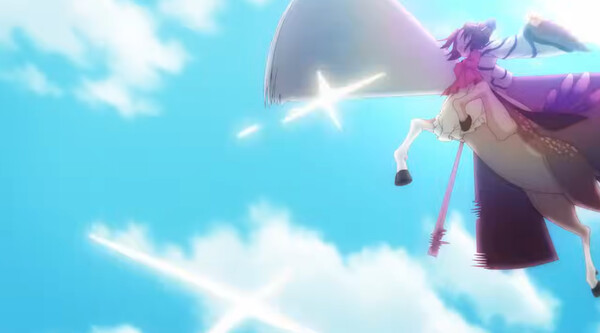
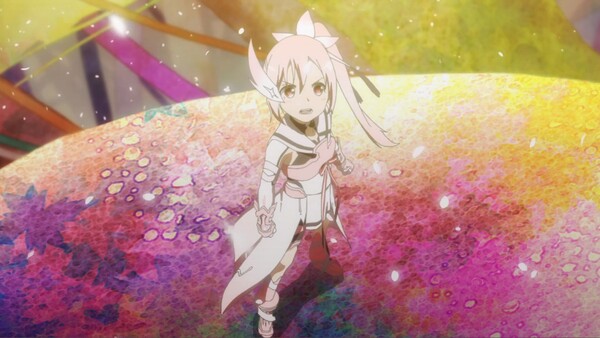
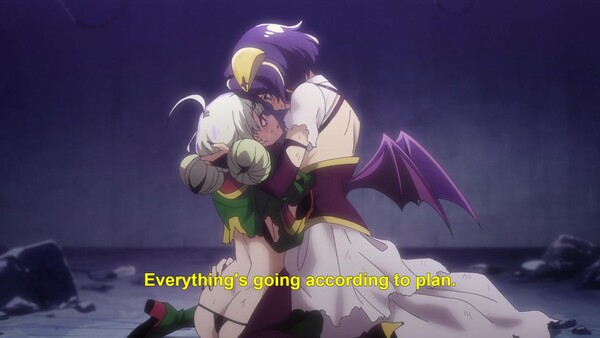
We're about to have a centaur magical girl wasting other magical girls in a DBZ wasteland! As far as I'm concerned, Raising Project Restart is the best anime of Fall 2026 until proven otherwise!
And while I'm sure this franchise is a far cry from a feel-good time, it almost feels like works like this help expunge me of my cynicism. I've got a lot of anime to catch up on after this stacked summer season, but prepping for the release of this sequel is at the top of my priority list!
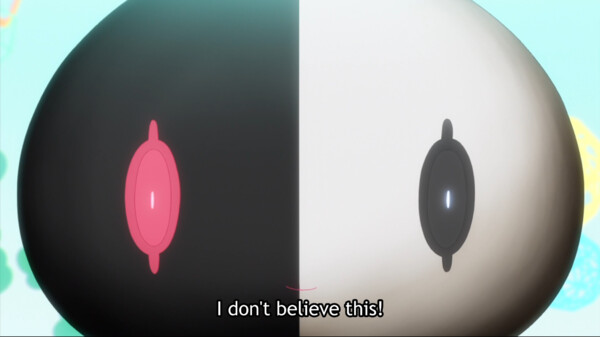
Also, lest I risk it going unsaid, Fav is a damn good evil mascot character design even if it is just Haro from Gundam meets Danganronpa's Monokuma!
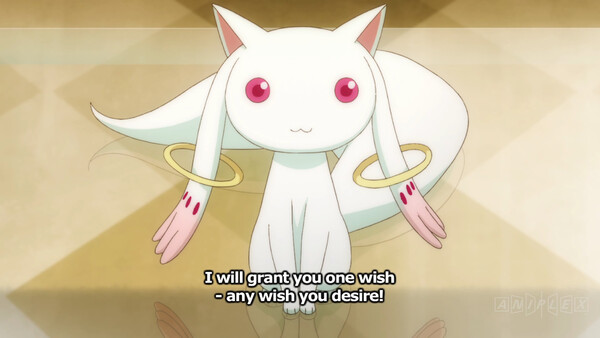
It's always fun seeing if these shows decide they need their own Kyubey knockoff, and Fav at least gets the "would enjoy watching them get their comeuppance" factor right.
And I hear your point about dark series like these being valuable as an outlet for darker, more cynical feelings. Lord knows I like a lot of bummer shows myself, and as I said, Raising Project mostly works because it feels like it has purpose in all that. It puts it ahead of so many other imitators that came in copying the surface subversion of Madoka without understanding the why. That's sort of like all those edgy, ultraviolent comic books that popped up in the wake of the success of Watchmen and The Dark Knight Returns. Raising Project getting it probably helps to explain why it's coming back for another round well after this trend had moved on.
If we're viewing this more modern take on dark magical girl media as a trend, then we definitely have to talk about Yuki Yuna Is a Hero, which certainly rode these rising tides in 2014!
Funnily enough, this was the dark magical girl anime that I was the most familiar with going into this column, thanks to my college roommate's girlfriend (and now wife) being super into the series. However, now that I'm standing on the other side of this experience, it kind of feels the least distinct out of all the works in this subgenre. Though, maybe refining and exemplifying what a dark magical girl series looks like in the 2010s means it won't stand out against its contemporaries, even as it's maybe the most approachable title that we'll talk about tonight.
I was also big into Yuki Yuna in its first season, then dipped down and up with its arcs through the second and third. It's an interesting show, working really hard to maintain the titular heroic idealism in the face of so many dark magical girl staples like exploitative systems and magical maimings.
I actually wrote a whole article back in the day as Yuki Yuna was airing its second season, talking about how it was in conversation with Madoka's legacy at the time. But as time has gone on and especially as the show piled on more of its own perspective in its third season, it's apparent that conversation tapered off. Madoka's still a draw that's evolving, while it feels like even Yuki Yuna's fans sort of fizzled away from it.
Which is a shame because Yuki Yuna isn't BAD by any measure, but it does feel like its relying on its central gimmick more so than any other title we've discussed tonight. Though, I now know this space well enough to say that darker themes in magical girl media are more of a core feature than a distinguishing add-on!
If anything, I wish I had checked out Yuki Yuna back in college, as I'm sure it would have been a terrific catalyst in exploring more of what magical girl media had to offer, but now I'm too far through the looking glass and this title just isn't as gripping with what I've seen now.
It's still worth checking out as a show very much steeped in dark magical girl systems—at times you can almost argue it's a deconstruction of the deconstructions! And some of the story structure stuff it does in the second and third seasons can feel pretty ambitious. Not bad for a show I originally followed because the first episode gave me Symphogear vibes.
Symphogear is another show that was accused of being a Madoka-like early in its first season, but evolved so much over its run that it wholly became something else.
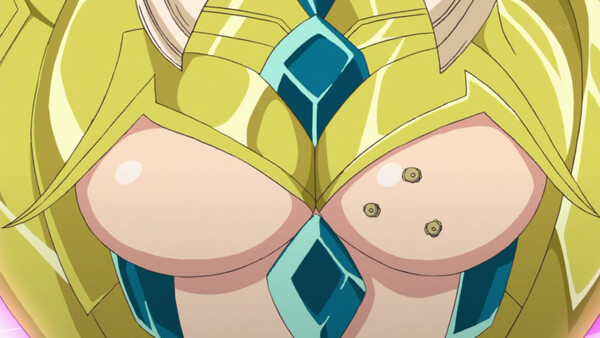
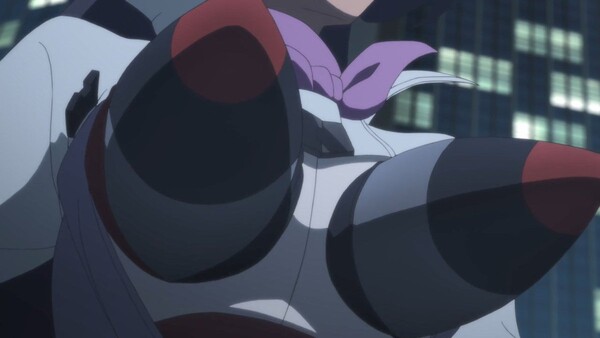
If by "something else," you mean an anime where characters have both bulletproof boobs and boobs that are bullets (okay, rockets, but let me have this alliteration!), then I enthusiastically agree!
God, do I need to watch Symphogears? I know it's too much of its own beast to even be considered a magical girl anime, but it seems like it's having a lot of fun being itself, and I'm more than a little intrigued!
It definitely swings closer to a mecha series than a magical girl series, and never gets as dark and subversive as these proper examples we've brought up. But Symphogear does confirm the efforts of shows like Magical Girl Raising Project and Yuki Yuna in that it's best to eschew chasing that Madoka style and find your own path.
Sometimes that path is suplexing space shuttles, but hey, everyone's got their own thing.
What I can bring up in regards to "true" dark magical girl shows that forged their own path and had a mecha bent is to reiterate my eternal call to watch Granbelm.
For my money, this is easily my favorite of the wave of Madoka-likes, and criminally underrated, so I've got to rep it any chance I've got. Hey, it also does that death game thing you love so much!
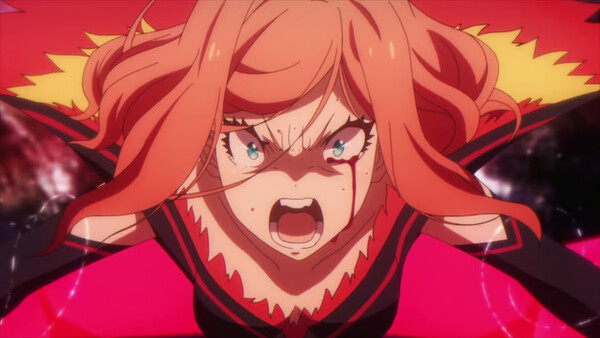
To the best of my ability to summarize a work with a LOT going on in it, Granbelm is a magical girl mecha series built around a sprawling tournament arc that subverted genre expectations so well that it was more or less a capstone on this 2010s trend!
I only had time to catch a single episode of Granbelm, but I can confirm that anyone who's stuck around this long for a dark magical girl-focused column should absolutely check this title out!
As someone who's always hollering about this series, I can confirm it absolutely keeps that up. It does the "subversions" really well, with a couple of all-timer twists in there that are delivered really, really effectively. It's funny to think, as you pointed out, that it was basically the tail end of the dark magical girl trend in 2019, but what a way to go out.
It also really should have been the savior of 2D animated mecha action that so many people claim to be clamoring for, but none of those fans watched it, despite my pleading. Alas. Not getting your wish the way you want it is part and parcel of anime of this type, after all.
So long as we get an interesting and affecting story that looks damn good while telling its tale, can we really complain as that monkey's paw curls?
That was always the value in the "good" Mado-clones that popped up as this trend went on. Sure there were disposable ones that went for raw shock and awe like Magical Girl Site and Magical Girl Spec-Ops Asuka, but you get those surface-level scrapes for every genre.
But as the base magical girl genre's dalliances with darkness showed, there was always something in this DNA that could evolve into richer works in the subgenre. And so, a decade later, you've got audiences waiting to welcome new installments of Madoka and Raising Project. To say nothing of newer projects that took the "magical girls for grown-ups" idea into whole other places apart from blood and guts, be it the workaday efforts of Magilumiere or the...other kind of shocking subversions in Gushing Over Magical Girls.
After decades of magical girl media being used to empower young women through the aesthetics of adulthood and reclaimed sexuality, some of the most prominent entries in the genre in recent years are a deeply informed examination of how society grinds out our childlike sense of whimsy as adults and a robust exploration of sexual repression via socially ingrained guilt.
If nothing else, I hope this column makes clear that it's not just the aesthetics of magical girls that will endure for the rest of this medium's history, but also that the stories told in this genre are meaningful and pivotal to the growth of anime as a medium. Nothing we've talked about tonight was born from a vacuum, and even subversion is a kind of iteration based on longstanding ideas in this canon of work.
You can tragically take them out as much as you like, but you still can't keep a good (or bad) magical girl down!
What makes this final batch of episodes so strong is that almost everybody gets a moment to shine or a moment of introspection.― It's wild how far Pokémon Horizons has come. This final batch of episodes feels like the climax of this time skip and the entire Pokémon Horizons series. While some things are glossed over or could've received more focus, I genuinely believe this might be one of the strong...
More details to be revealed at Jump Festa '27 event on December 19-20― The "NARUTO: What's Next?" panel at New York Comic Con announced on Saturday that Masashi Kishimoto will launch a new manga in his Naruto franchise. The below video teases the title as Naruto Shadow Rising. More details will be revealed at the Jump Festa '27 event, which will take place on December 19-20.Kishimoto launched the Na...
Boruto, Ninku director Noriyuki Abe directs crossover series― The "NA RUTO: What's Next?" panel at New York Comic Con announced on Saturday more information about the new television anime "limited" series teased last month. The new anime is a crossover anime with Koji Kiriyama's Ninku ninja manga titled NARUTO×NINKŪ.The panel explained that Ninku inspired Masashi Kishimoto to create Naruto, and as t...
Yuzu seems passive, but she's really a survivor stumbling her way into the light.― The Cinderella fairy tale often draws knee-jerk reactions about passive heroines. Even some of her arguably more passive fairy tale sisters, like Snow White or Sleeping Beauty, are afforded more grace than the woman who rises from the ashes to become a princess. She's painted as the ultimate in passivity, a girl who w...
Based on story in 27th manga volume― The "Stone Fes. 2026" event announced on Saturday that production has been green-lit on Dr. Stone Terraforming, a sequel to the television anime of Riichirou Inagaki and Boichi's Dr. Stone manga. The new anime will adapt the "Terraforming" sequel story, set after the main story, from the 27th manga volume. The first television anime premiered in July 2019. Crunch...
Atsushi Nishigori’s three-part anthology film crams all his otaku obsessions into a feast of wild eye candy.― At the U.S. premiere of GROTESQQQUE at New York's Japan Society, director Atsushi Nishigori warned the audience it might be hard to connect the different segments of this anthology feature. The one overriding theme, he explained, is “things I like” — whether that's cute girls, monsters, mech...
Torneko's Mystery Dungeon is not a game that is a roguelike; it is a game that is like Rogue - and that distinction is more than mere semantics.― Dragon Quest Heroes: Torneko's Mystery Dungeon - Classic HD is a great classic game held back by curiosities surrounding its release. The facts of the matter are quite simple. This is a rerelease of the 1993 original, the first time it has been released in...
A major Fire Emblem anniversary and the release of Dead of Brain are among the big topics this week!― Welcome back, folks! I don't pay much attention to Star Wars, being that it's never really been my thing. But the outright adulation that's been going around for Star Wars: Galactic Racer has my attention. Apparently, ex-Burnout devs worked on the game, which in and of itself ought to be encourageme...
Joo spoke with Anime News Network about his debut, the influences behind his work, the Netflix adaptation, and his latest series, Adonai.― Dong-geun Joo, the creator of the popular webtoon All of Us Are Dead, visited Los Angeles to participate in an event at the Korean Culture Center Los Angeles celebrating Korean webtoons on September 11. Joo made his debut in 2009 with All of Us Are Dead, which w...
During our conversation, Kimura spoke about how he landed the role of Chihiro as well as his experience working with Tomokazu Seki, the voice actor for Kunishige Rokuhira.―
Prior to an incredibly enthusiastic, full-room world premiere of the Kagurabachi anime series, Taihi Kimura sat down with Anime News Network to talk about his role as Chihiro Rokuhira. Before Kimura landed his role as the black-...
The Preview Guide marches on with episode two of Apothecary Diaries season three. Jinshi, how we missed you. Check out our reviews of over 50 anime in the Fall 2026 Preview Guide. Sponsored by Crunchyroll.― Welcome to Anime News Network's Fall 2026 Anime Preview Guide! Here's how it works: our team of critics writes up their impressions instantly, and we post them here as they go. Each critic will ...
Series centers on prince who secretly hunts, eats monsters to avoid assassination― Anime studio WHITE FOX announced on Friday it is producing a television anime adaptation of Daken's How I Became King by Eating Monsters (Monster no Niku wo Kutteitara Ōi ni Tsuita Ken) light novel series. The anime will debut in 2027. Original novel illustrator Shiba and manga artist Karin Suzuragi both drew illustra...
― Thursday, October 8 News Dark Horse to Release Gou Tanabe's The Outsider and Other Early Adaptations Collection Macross Frontier Anime's Blu-ray Disc Ships in 2027 Gundam Seed Freedom Zero Prequel Anime's Trailer Reveals Theatrical Release in Japan on January 15, N. America in February 2027 Here U Are Anime Reveals 2nd Teaser Trailer The Guy She Was Interested In Wasn't A Guy at All Anime's 1st P...
Yoko Hikasa, Ryōhei Kimura, Tomoaki Maeno, Reina Ueda star in Alphatart, HereLee, SUMPUL's romantic fantasy― Crunchyroll announced at New York Comic Con on Thursday a television anime adaptation of HereLee and SUMPUL's webtoon The Remarried Empress. (The webtoon is itself based on Alphatart's original web novel.) TROYCA is animating the project for broadcast next year. The main cast members are: Yok...
New Japanese anime studio breccia, Korean animation studio Studio Jemi to animated series― Crunchyroll announced at its panel at New York Comic Con on Thursday that JH's The Boxer webtoon is getting a television anime adaptation from new Japanese anime studio breccia and Korean animation studio Studio Jemi. breccia is a new anime studio founded by Kinema Citrus founding member and producer Muneki Og...
It’s a clever, entertaining, optimistic show that deserves an audience.― During a season that boasted the long-awaited return of Magical Girl Lyrical Nanoha after an eleven-year absence from our screens, and with an unexpected revival of Magical Princess Minky Momo (after 32 years!) announced as an upcoming fall 2026 OVA, the second season of the delightful Magilumiere Magical Girls Inc. seems to ha...
Muramasa is back and looking better than ever—literally.― 2009 saw the release of Muramasa: The Demon Blade for the Nintendo Wii. Born from the mind of Vanillaware's George Kamitani (Dragon's Crown, 13 Sentinels: Aegis Rim, Unicorn Overlord), this 2D metroidvania beat 'em up is set in a folklore-inspired feudal Japan and contains some absolutely wonderful colorful artwork. The upcoming Muramasa: Rev...


 @RiderStrike
 @BWProwl
 @LucasDeRuyter
 @vestenet