

(5 questions; 34s to answer on average
Yes I'll do it later No
The Spring 2025 K-Comics Guide
Okchundang Candy
What's It About?
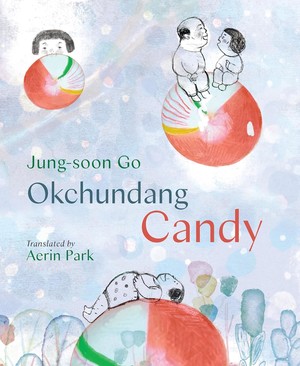
Grandfather was Grandmother's best and only friend. On every Jesa day, during the ancestral ritual, he would gently place the okchundang candy in her mouth, a big smile spreading across her face as it melted on her tongue.
But nothing ever stays the same, and as Jung-soon got older, so did her grandparents.
Okchundang Candy has story and art by Jung-soon Go. English translation by Aerin Park. Published by Levine Querido (March 4, 2025). Rated T.
Is It Worth Reading?
Rebecca Silverman
Rating:
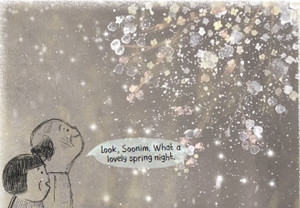
It's not easy watching someone fade away, whether from disease or old age. Jung-soon Go's picture book/comic hybrid, Okchundang Candy is a short, introspective look at her relationship with her late grandparents, from happy summers with them to her grandfather's cancer diagnosis and death to her grandmother's slide into Alzheimer's and eventual death. It's a picture book in format, but it's not really for children; instead it's a quiet testament to caregiving in its various forms.
Go's grandparents, she tells us, were both Korean War orphans, which made them very aware of the concept of “home.” She spent summers with them as a small child, experiencing both their love and kindness – they were the only people who would rent rooms to “bar ladies” (hostesses) – and aspects of traditional Korean life, such as dying her nails with balsam rather than painting them with nail polish. The candy the book takes its title from, okchundang, is a rice flour and molasses treat, offered on altars to the family dead. In the story, Go's grandfather always gives one to her grandmother, an act that comes to symbolize their eventual passing and the way that they're each other's everything: husband, wife, family, ancestor all in one.
Although the book itself is under a hundred pages, Go successfully tells a complete story, reflecting on their lives and her relationship with them. While she outright says that her parents fought a lot, having a contentious relationship that made her uncomfortable at home, the greater triumph is the implication of how her grandparents made her feel safe. It's the same thing they do for the bar ladies the other neighbors shun and for each other. Jadang's death from lung cancer leaves his wife Soonim unmoored, and the last part of the book covers how Go and her family eventually couldn't care for her at home anymore. It's heartbreaking but familiar, a universal experience many caregivers have to deal with – slowly breaking away before the care eats them whole.
Bittersweet and melancholy, Okchundang Candy's sketchy, deceptively simple art style and few words create a reading experience that feels unique. It's like slowly letting a hard candy dissolve in your mouth, letting the sweetness linger until all that remains is a ghost on your tongue.
discuss this in the forum (3 posts) |

back to The Spring 2025 K-Comics Guide
Feature homepage / archives