

Holding Nothing Back and Giving it Absolutely Everything: A Chat with Wistoria: Wand and Sword season two director, Hideaki Nakano
by Kennedy,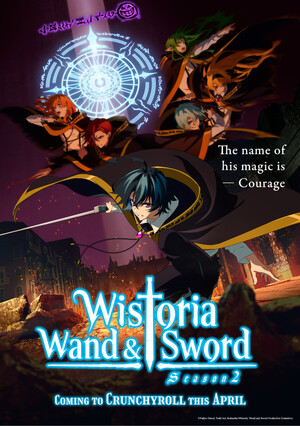
With its gorgeous visuals, rich world building, and absolutely electrifying direction, Wistoria: Wand and Sword is an obvious standout in the realm of magical school anime. While season one was directed by Tatsuya Yoshihara, who would later go on to direct Chainsaw Man: Reze Arc, season two has been helmed by the incredibly talented Hideaki Nakano—who started out on this series doing storyboards. ANN got the opportunity to speak to Nakano about how he made this jump, how this background influenced his creative decisions, how it helped him share his vision for this incredible series, and of course, all things Wistoria.
ANN: What initially attracted you to the Wistoria: Wand and Sword anime project?
Hideaki Nakano: My first impression was just how beautiful the artwork was. As we actually got into producing the anime, I came to appreciate that skill even more, and there were so many places where I wanted to bring the manga's art to life. The way it captures things three-dimensionally was especially instructive—since working on Wistoria, the range of things I'm able to draw has grown.
In season one, you were credited for storyboards and for episode direction in episodes 6 and 12. What led to your promotion to director for season two?
Hideaki Nakano: Chief director Yoshihara was simply too busy, and since I'd been part of season one, they reached out to me.
Making the jump to director, what was the biggest change for your work on the series? Were there any unexpected challenges? What's been your favorite part of being a director?
Hideaki Nakano: As an episode director, you only handle a limited number of episodes within the whole, so your involvement with the series is lower than it is as the director. In season two, I was able to focus far more on Wistoria as a single, complete work.
It was within my expectations, but since an anime is made by a large staff, maintaining a consistent level of quality was a real challenge. On episode 21, which I storyboarded myself, I personally reworked the layouts on many of the cuts.
What I enjoyed most was creating the art boards, because they make it easy to reflect my own intentions for the mood and coloring I'm after.
For example, Edward's room after the final exam in episode 13 is set in the evening, but since the scene is a heavy, negative conversation, I gave it an uneasy, unsettling feel; and the blue sky after Devander is defeated in episode 16 is rendered more beautiful than an ordinary night sky.
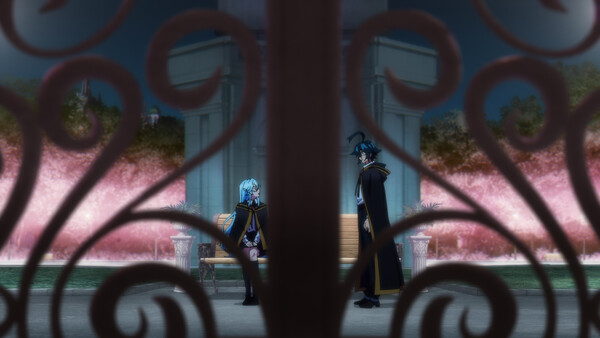
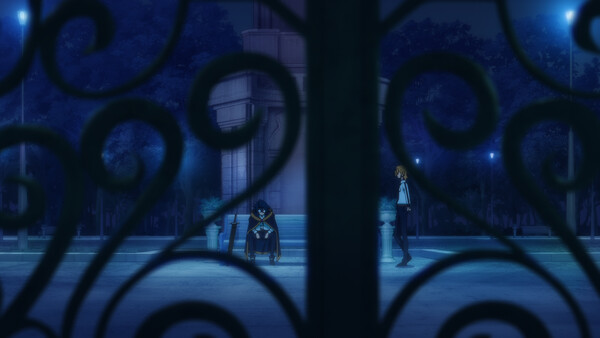
The park where Will and Rosty talk in episode 13 is the same place where Will and Elfaria talk in the final episode, 24. Episode 13 has a lonely, blue tint to it, whereas for episode 24, I pictured it lit up with a romantic atmosphere.
What was it like working with Tatsuya Yoshihara?
Hideaki Nakano: I've been working with chief director Yoshihara for a long time now, but what's amazing about him is his ability to take in the whole picture and pinpoint exactly which single cut, if fixed, will have the greatest effect.
Amongst the other anime you've worked on, which do you think has had the biggest impact on the way you're directing Wistoria: Wand and Sword, and why?
Hideaki Nakano: It's not one specific title, but a director I worked with before, Takahiro Ōmori, draws his layouts very precisely and accurately, and I think I've been influenced by that.
This season kicked off with a massive battle that lasted multiple episodes and gave us several big, dramatic scenes really early on. What was your plan of attack to balance the pacing of so many big moments happening so quickly?
Hideaki Nakano: There were still episodes to come after that, but all the way through episode 16—what you might call the “climax”—I was conscious of holding nothing back and giving it absolutely everything.
Throughout the series, we've seen many characters who used to belittle Will now grow to respect him. And this season, in particular, has been largely about Will discovering and appreciating the true potential he's had within him all along. What do you think makes Will such a compelling character, both to the audience and the other characters in Wistoria?
Hideaki Nakano: I think it's how honest and straightforward he is, for better or worse. He's been so influenced by Elfie that it's landed him in real trouble, and on top of that, early on the characters around him often bullied Will and showed their unpleasant sides—which I think only made Will's good qualities stand out all the more.
Have you had any favorite moments in Season two of Wistoria?
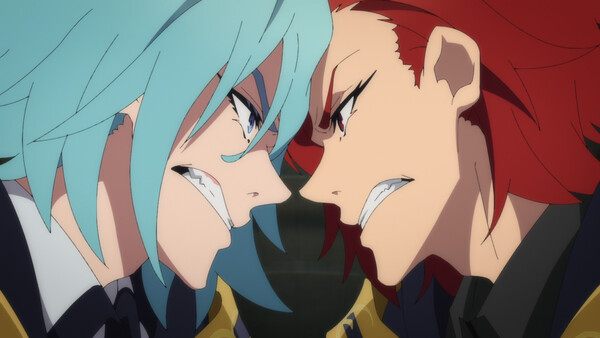
Hideaki Nakano: I like the imagery cuts—the ones that express a character's inner feelings rather than depicting reality.
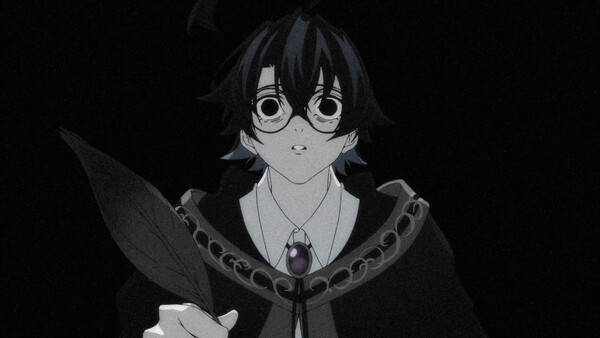
For example, the scene in episode 21 where Will appears to sink underwater isn't in the original manga; I added it hoping to convey the suffocating feeling in Will's heart. Imagery cuts can completely change the look of a scene, so I try to include them whenever I can—and since episode 21 stays in the same forest the whole time, I also worked them in out of a desire to vary the visuals.
What kind of magic do you think you would use if you were in the world of Wistoria?
Hideaki Nakano: I'd want to use thunder magic. I like how close it is to martial arts—I'd love to slip behind an opponent in an instant and land a punch, just like Zeo.
Do you have a message for Wistoria fans?
Hideaki Nakano: In Wistoria, everyone is a hero. Yes—you too.
discuss this in the forum |
