Director Kenji Kamiyama has worked on some of fiction's most storied franchises, from The Lord of the Rings to Star Wars to Blade Runner to Ghost in the Shell. Soon, he'll add Gundam to his list.
Coop
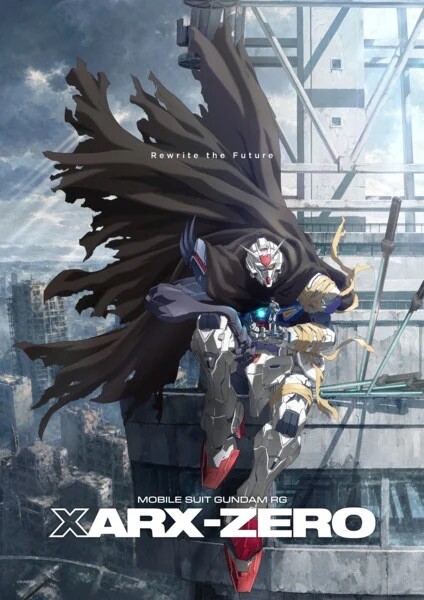
Lucas, it's pretty safe to say that the past month has been a doozy for anyone working the con circuit. This includes members of the press, marketing folks, and the creatives themselves! But within this summer shuffle, there's one piece of news that caught the eyes of anime aficionados everywhere: there's a brand new Gundam series on the horizon, and Ghost in the Shell: Stand Alone Complex helmer Kenji Kamiyama is directing it.
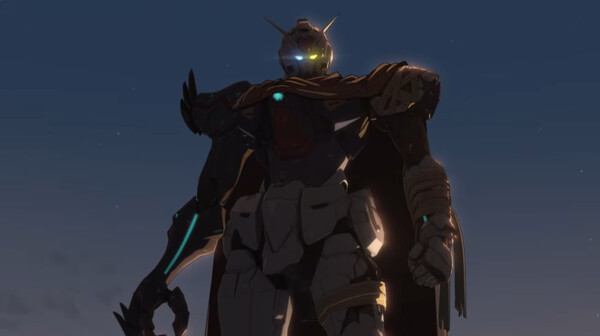
There's been a lot of chatter about this cloaked Gundam, its bio-mechanical claw arm, and how its name is pronounced "Alex" in the weeks since the series' reveal at San Diego Comic-Con. However, the increased focus on Kamiyama's Ghost in the Shell pedigree in the marketing and reporting around XARX-ZERO sparked a realization in my brain: Stand Alone Complex is a nearly 25-year-old series. Naturally, Kamiyama's done quite a bit since then, so it would behoove us to take a look at the director's larger career—from his start as a background artist in the late 80s to his last decade as a go-to director for projects associated with some of the largest global brands.
Lucas
Coop, I regret that I have to open this column by saying that conflicting interests prevent me from chatting too much about XARX-ZERO, but fortunately I don't have to since it looks like this upcoming Gundam project does a great job selling itself! "Battered robot cloaked in real cloth" is such a distinct vibe within the mecha genre that chances are most folks knew if this series was "for them" or not by the time the announcement trailer wrapped!
But to your main point, I would LOVE to use this announcement as an excuse to talk about Kenji Kamiyama's filmography, as the director/writer/storyboard artist's body of work has made him something of a name in both sci-fi and fantasy genre fiction withing the anime medium, and a great candidate to put his own spin on a franchise as robust as Gundam.
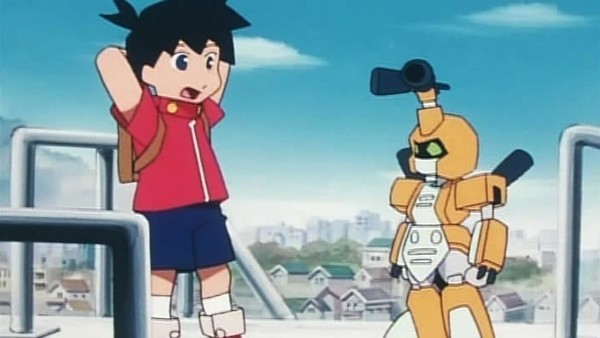
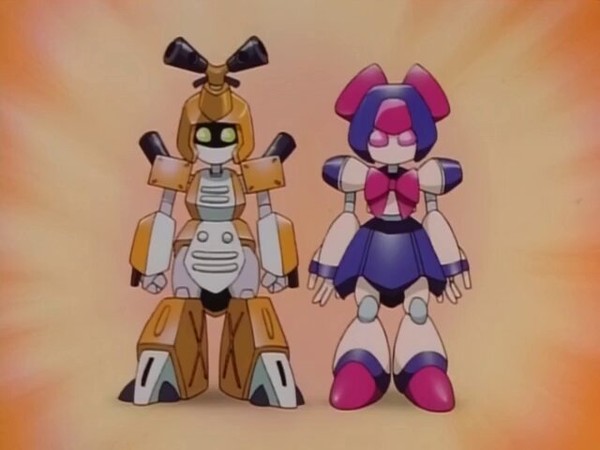
Beyond GitS: SAC, the man's also put his own spin on Cyborg 009, Ultraman, Star Wars, and even boarded a couple of episodes of Medabots! With this kind of pedigree, I am SO CURIOUS to see what he whips up now that he's been given the keys to a Gundam cockpit!
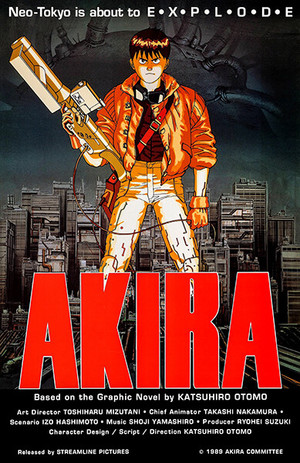
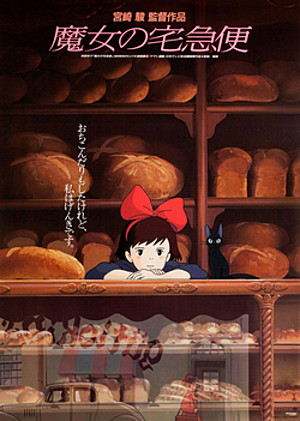
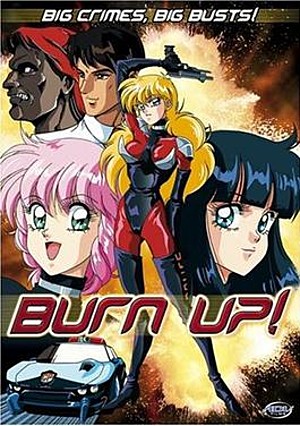
Flicking through Kamiyama's first decade or so of credits, you can tell he's someone who really came into his own as a creative while moving from project to project. It doesn't hurt either that those projects included international and domestic hits like Ducktales, Akira, City Hunter, and Kiki's Delivery Service. But keep in mind that this was the late 80s and he was still just getting started—background art was his department at the time. I'd wager that forward momentum from these high-profile projects likely allowed Kamiyama to shift his focus into art direction in the 90s. He worked primarily on OVA titles like Burn Up! and the infamous Genocyber, but also assistant art directed on the cult classic, Roujin Z. By the time Medabots rolled around in 1999, he'd already joined up with Production I.G and was making big moves while on the verge of his directorial debut.
As an aside, it's always heartening to see that a creative has put in the time and worked their way up the ranks to find some success. I wish this was a more common story these days, but developing one's skills and career is often a slow and laborious process. Knowing some folks can be good, but having the skills to back up any recommendation is key.
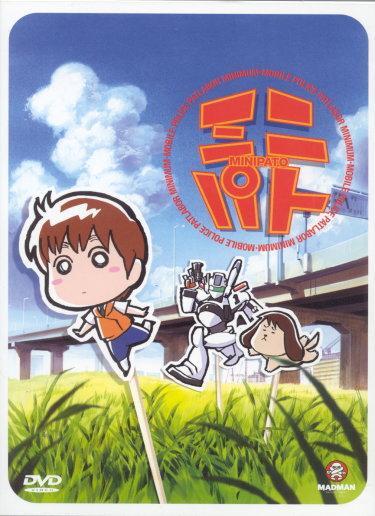
And what a directorial debut that was in (checks notes) Mini Pato! A three episode spin-off of Patlabor, which I can only describe as a mecha version of Brooklyn Nine-Nine.
Mini Pato! is a fascinating little series of shorts that were made to coincide with the release of the third Patlabor film in 2002. Imagine the folks of SV2, but they've all been turned into paper puppets and animated as such through a technique called SuperLiveMation. These shorts mainly serve to catch new viewers up to speed with the world of the larger series and give long-time fans a little more fun with their favorite goofballs.
Kamiyama's directorial role on Mini Pato both crystallizes his background in working on science fiction projects and sets up how much of his career would focus on reimagining iconic franchises.
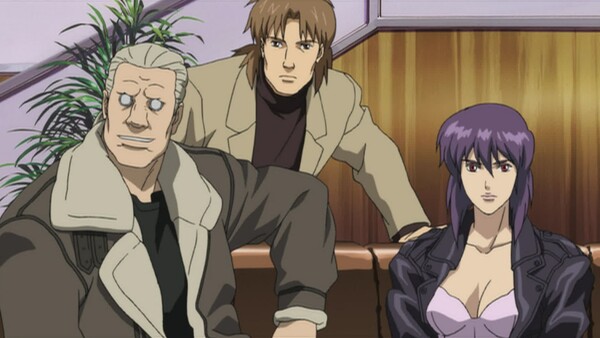
As you mentioned at the top of this column, Kamiyama's Ghost in the Shell: Stand Alone Complex is probably the most iconic of these reinterpretations but, as Chris and I noted in your GitS Anime Adaptation column, as Ghost in the Shell at this point is kind of a vehicle for different creatives to express their own ideas about our growingly digitized world.
Absolutely, the Section 9 crew is so well-defined; they can be thrown into just about any situation, and you'll get some sort of resonance out of it. SV2 is very much in the same boat, although I'd wager Mini Pato was a fun "on the side" gig while Kamiyama was already deep into production on SAC. However, both works display that he's always keen to play around with new animation technology, which is something of a through-line for his career.
And not to retread that previous Ghost in the Shell chat, but there's a reason this series is a modern classic. Kamiyama and his crew took the familiar framework of a police procedural, then used it to shine a light on ways technology has intersected with society—for better or worse. It's an effective strategy he's employed time and time again to help his occasionally high-concept science fiction stories gel with wider audiences. In fact, there are shades of this in the little we know about XARX-ZERO already, but that's getting a little ahead of myself.
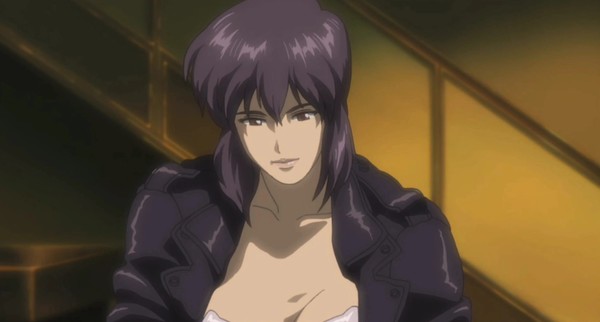
"New animation technology" is definitely the polite way of putting it. The CGI Major from SAC's opening looks ROUGH! Which is weird considering that I think the Major's design from SAC is still her "default" design to anime audiences our age and up.
Though if we're talking about Kamiyama works that could give us a preview of the tone and direction of XARX-ZERO, we should maybe turn our attention to a slightly less popular in the US, but still hugely influential Japanese sci-fi series: Cyborg 009.
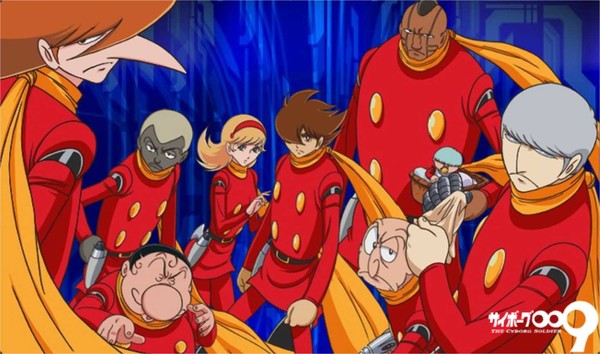
Originally a sci-fi twist on tokusatsu media, the series has seen quite a few different interpretations since Shōtarō Ishinomori first published the Cyborg 009 manga back in the 1960s. My introduction to the franchise was with Cyborg 009: The Cyborg Soldier, which had a Toonami run back in the day and is a pretty direct 21st-century reinterpretation of the original work.
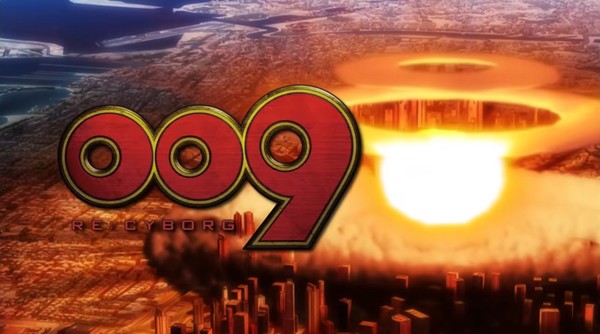
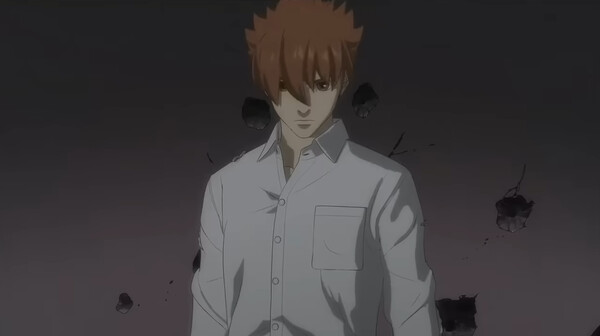
Kamiyama's 2012 take on the franchise in 009 Re:Cyborg is, uh, quite a big departure from the version of the series I was first exposed to and features more existentially anxious versions of these characters trying to stop terroristic activity before trying to stop literal God from nuking the Earth out of existence.
While it's definitely a bit of a cop-out for me to say this as a professional writer, this 009 Re:Cyborg is truly a work TOO WEIRD for me to say if it's good or bad!
On that earlier point regarding "new animation technology", Re:Cyborg is the big blowout for Kamiyama's 2010s love affair with mostly CG projects. Elements of the film seem a touch jerky here and there, but I have a hunch SANZIGEN might've still been working out a few kinks here and there. After all, this was the studio's first film in the driver's seat, and they've only refined their craft since then.
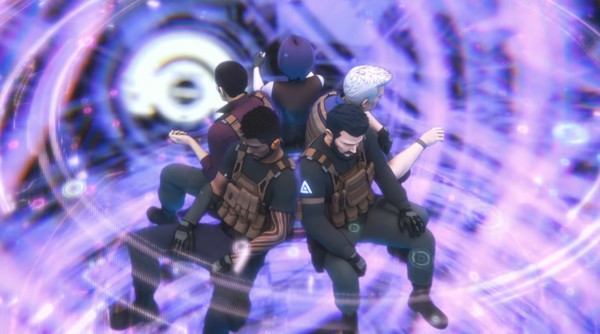
I can't really say the same for Kamiyama's go-to studio these days, Sola Digital Arts. I'm normally not a picky person when it comes to my animation. If the story and direction carry a work, the animation doesn't need to be anything fancy or special. However, it often feels to me as if SOLA is working with technical and artistic issues that haven't been fully resolved since the first season of Netflix's ULTRAMAN in 2019.
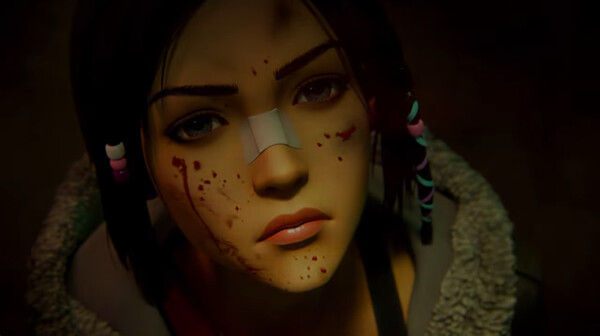
Be it inconsistent frame rates between characters, weightless movements, or haphazard gestures, there's a fair bit about the series that feels like it needed more time in the oven. And if you've read these same criticisms from me before, I felt the same way about SAC_2045 when Sylvia and I talked about it a while back. To SOLA's credit, the animation on display in Blade Runner: Black Lotus seemed like it'd learned a couple of lessons from their past outings. However, I'm not sure if the association with the legendary film brand affected that project. Regardless, I haven't really seen anyone talk about any of these CG series outside of lambasting them or highlighting a handful of rock-solid SAC_2045 episodes.
Unfortunately, there's a reason this gif gets passed around.
Yeah~ If we're being totally honest, Kamiyama hasn't had the best track record since about 2020 onward. At the very least Blade Runner: Black Lotus looks more visually competent and professionally choreographed than 2045...but also I don't think enough people watched Black Lotus (not to be confused with Shinichirō Watanabe's Blade Runner: Black Out short) for there to be any critical consensus around the show!
Given that Black Lotus aired on Adult Swim, I have a feeling that more people have seen it than we'd expect. I'd imagine those folks just aren't part of the wider online conversation, similar to the situation around other Adult Swim series like Lazarus and Ninja Kamui.
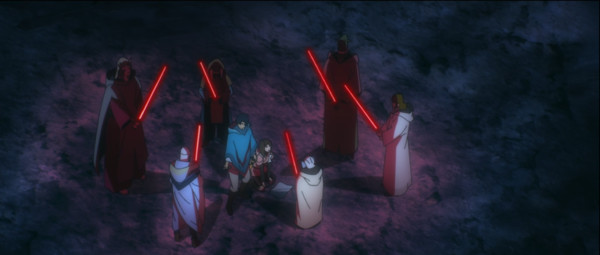
That's true. Though, a more recent Kamiyama joint that people raved so much about that it was spun off into its own series is The Ninth Jedi installment of the Star Wars: Visions anthology series!
While I've yet to see the full anime spin-off, I get why the original anthology entry did so well! The secret sauce of the Star Wars franchise for a long time now is how it's a stealth repurposing of samurai fiction, and The Ninth Jedi has those elements in spades with its themes of betrayal, noble rebellion, and conflating autonomy with swords and swordsmanship.
My feelings on this one are a touch...exasperated. However, that has more to do with the brand attached over the work itself. I saw the original round of Star Wars Visions shorts a little while after they came out, but outside of the Promare-ish stylings of The Twins, it all slid off my brain. Star Wars just isn't my cup of tea, and I'd be lying if I didn't feel a little sensory rejection with how much of it is coming out every mouse-shaped orifice. Honestly, the regular retreat to known brands is what's left me disinterested or skeptical around much of Kamiyama's output these days. Yes, going back to the Star Wars, Ghost in the Shell, Lord of the Rings, Blade Runner, or Gundam well means more career security for Kamiyama and his team, which is especially important right now. Hell, Kamiyama's in his sixties now, so I wouldn't blame him if he just wants to make sure he and his team are financially secure above all else. However, the "big brand" strategy doesn't always result in the most riveting work to me.
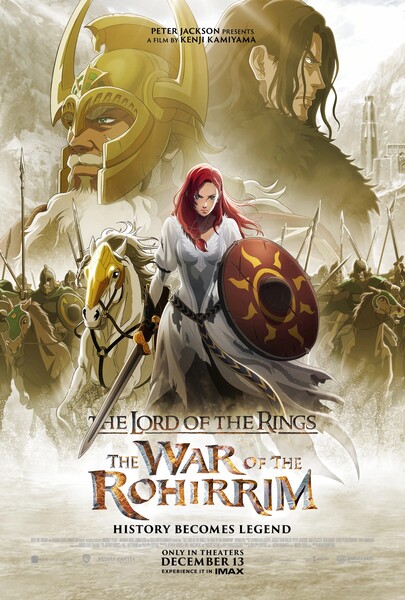
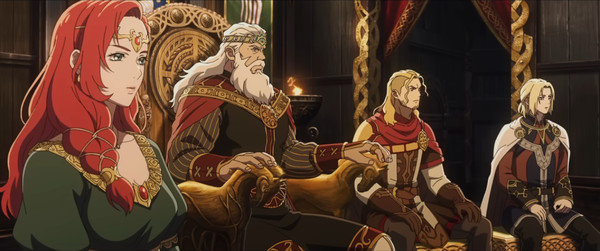
And while I didn't care for War of the Rohirrim, it had a few glimmers of the creative fire that made Kamiyama a household name throughout the aughts. He could deliver on a rock-solid fantasy for folks who aren't into a fantasy with Moribito, ensnare audiences with a good political thriller in Eden of the East, or entertain the late-night channel surfer with a random episode of Stand Alone Complex. But again, it's been a long time since he directed those series, and the industry has changed a fair bit in those years. I'd love to see him helm a hand-animated, back-to-basics sort of film with the folks at I.G, but that might not be a good fit for the market as it stands.
I heard a fair bit of praise for War of the Rohirrim from members of my social circle, but I never checked it out since any new Lord of the Rings project seems pretty perfunctory to me.
And to your point, while we could definitely use more original works in the anime medium from talent directors and studios, I at least think the Gundam franchise is more suited to directorial interpretations than the Lord of the Rings, Star Wars, and Blade Runner franchises. There have been a lot of different takes on Gundam over the years and, while I think folks are a bit tired of the franchise being self-reflective after GQuuuuuuX, any story can be a Gundam story so long as it has giant robots and political commentary, which Kamiyama still seems to be pretty dang good at!
Truth be told, my initial reaction to XARC-ZERO was a bit on the tepid side. A busted-up Gundam with a cloak and beast arms is low-hanging fruit for hardcore and casual robot aficionados. Not to mention that SOLA's previous outings haven't filled me with much confidence on the CG front. From what we've learned about the story, I'm hopeful we might get a savvy sci-fi story reflecting on generative AI as a threat to humanity, but I'm not sure the visual wrappings around it will undercut it. Essentially, I hope that XARC-ZERO doesn't fall into the same category as Kamiyama's recent works, where criticism of the visuals dominates the conversation. And I'll admit that's been a big chunk of the conversation we've had today.
You're right to be skeptical, Coop, and one mega-hit twenty-five years ago in Stand Alone Complex doesn't inspire confidence. However, we knew he had the juice with that project, and I gotta believe that if Kamiyama can still make something both thought-provoking and broadly appealing, Gundam would be the vehicle through which he can express those ideas. However, most of us are lucky to have anything close to a hit in our creative careers, and if Stand Alone Complex was Kamiyama's one-hit wonder, that's nothing to be ashamed of.
Plus (and apologies for repeating myself), he gets to have Medabots, the best Pokémon clone, on his resume for the rest of his life! That's rad as hell, and he can always hold his head high thanks to that achievement!
At least we can always say this: she's just incredible at math.
Director Kenji Kamiyama has worked on some of fiction's most storied franchises, from The Lord of the Rings to Star Wars to Blade Runner to Ghost in the Shell. Soon, he'll add Gundam to his list.― Director Kenji Kamiyama has worked on some of fiction's most storied franchises, from The Lord of the Rings to Star Wars to Blade Runner to Ghost in the Shell. Soon, he'll add Gundam to his list. RetroCru...
Is Rhythm Heaven Groove the best game in the series? No, but it's one heck of a runner-up.― Rhythm Heaven Groove is a return to the Rhythm Heaven games of old—i.e., Rhythm Tengoku, Rhythm Heaven, and Rhythm Heaven Fever. Gone is the attempt at story in Rhythm Heaven Megamix, and instead you simply work your way up columns of mini-games, clearing each to unlock the next. Rhythm Heaven Groove is massi...
Stylish, well-choreographed, and featuring some excellent new character designs by Kei Mochizuki, there's nothing out there that looks quite like this film.― It's hard to overstate the lasting influence of Osamu Tezuka's The Princess Knight. With the manga published between 1953–56 and an anime that aired from 1967–68, it's widely considered a foundational title for all things shojo, magical girl, a...
Oku: "To be honest, I just don't have the energy to keep drawing anymore."― Manga creator Hiroya Oku (Gantz, Inuyashiki, GIGANT) revealed in an interview with Courrier Japon published on Tuesday that he plans to retire after he finishes his latest manga Kanrekihime (The Sweet Sixty Princess). In his interview, he said: "No, this is it. I've made up my mind. To be honest, I just don't have the energy...
It's super-sized column as Josh catches us up on the latest summer updates, from Genshin Impact and Heaven Burns Red to Fate/Grand Order and Suikoden Star Leap!― This week's This Week in Mobile Games is being sponsored again by our friends at Grand Summoners!Hello, and welcome once more to the latest installment of the column! With everything happening and set to happen in mobile games over the next...
Most of the misfits never even considered that there’d be a thirteenth member of the class, and that’s just how Soi Purson wants it.― Sharp-eyed readers (and anime viewers) already knew that there was a thirteenth student in the Misfit Class. It makes sense even if you didn't spot the sleepy-eyed, bob-haired demon in the background: everything important in this series plays with the numbers thirteen...
Yume Miyamoto, Akira Sekine star in series directed by Itsurō Kawasaki at BENTEN Film― A new official website opened on Monday to announce the television anime of Aito Aoyagi's Akazukin, Tabi no Tochū de Shitai to Deau (Red Riding Hood: A Detective Story, or literally Little Red Riding Hood Encounters a Dead Body During Her Journey.) novel, which will debut next year. The website also revealed the a...
The Elder Sister-Like One is an original manga series created by manga artist and illustrator Pochi Iida. Theis Chiya 1/6 Scale Figure is a recreation based on an original illustration drawn by Pochi Iida for Comic Market. She is sculpted with a bewitching expression as she shoots an upward glance that seems to beckon its viewer.― The Elder Sister-Like One is an original manga series created by mang...
At Anime Expo, we talked about Ghost in the Shell's legacy and how, despite all of its technological advances, the series' creation is still powered by humans.― Ghost in the Shell may be one of the most revisited worlds in the anime medium. Across decades, fans have followed Major Motoko Kusanagi across multiple continuities, each imbued with a vision of a startling technological future. Following ...
Of all the arcs so far in Classroom of the Elite, this one is the first to feel like Ayanokoji is in any real danger.― If this season of Classroom of the Elite were to be described in one word, that word would be “chaotic.” Over the first three seasons, we've steadily gotten to know all the major players of freshman (now sophomore) classes A through D—with many supporting characters getting at least...
Writer Gwon Gyeoeul, artist SUOL's series centers on otome game's villainess trying to avoid death ending― Kakao's Piccoma online manga and novel service announced on Sunday the end of the main story and the television anime adaptation of writer Gwon Gyeoeul and artist SUOL's Villains Are Destined to Die (Akuyaku no Ending wa Shi nomi) webtoon. The Tapas service describes the story: This game's got ...
Halfway through the season now, the girls of BanG Dream! YUME∞MITA have come a long way. They've reached milestones in their personalities and relationships, including adding a new member to their number in Ritsu. Now they find themselves having delivered a live performance that has resulted in a make-or-break moment for their career!― Halfway through the season now, the girls of BanG Dream! YUME∞MI...
Magical girl fans owe it to themselves to watch Magical Sisters Lulutto Lilly; here's why.― It's been two decades since Studio Pierrot last released a magical girl series. The studio made its mark on the genre in the 1980s with Creamy Mami, Magical Emi the Magic Star, Magical Fairy Persia, and Magical Idol Pastel Yumi before taking a break for roughly ten years, returning in the 90s with Fancy Lala....
As someone with a passing knowledge of the Onimusha franchise, this is definitely shaping up to be a solid action-adventure series from jump.― The Onimusha franchise has been around since the PlayStation 2 era and has gone through a few significant changes. However, at its core, it was always about being an incredibly powerful samurai, killing creepy and powerful oni. Capcom allowed us to check out ...
Murakami served as mechanical designer, Chogokin planner, toy designer― Mechanical designer, planner, and toy designer Katsushi Murakami died on July 20. His health had been poor this year. He was 83. Murakami was born on September 23, 1942 in Gifu, Japan. Murakami served as a mechanical designer for numerous anime including Shin Tetsujin 28, Gold Lightan - The Golden Warrior, Machine Robo: Battle H...


 @RiderStrike
 @BWProwl
 @LucasDeRuyter
 @vestenet